How Long Does It Take to Hike the Appalachian Trail? (2026 Guide)
Most thru-hikers need five to seven months to walk all 2,197.9 miles. Here is how the timeline really works: daily miles, start dates, a month-by-month plan, costs and tips to finish on time.

HikingCare is reader-supported. When you buy through links on our site we may earn a commission at no extra cost to you. How we choose what to recommend.
⏱️ Quick answer
How long does it take to hike the Appalachian Trail? Most thru-hikers need 5 to 7 months, and the average is just under six.
That’s for the full 2,197.9-mile trail in one season. Section hikers often take several years, while the fastest supported record is under 41 days. About one in three people who start a thru-hike make it all the way, according to the Appalachian Trail Conservancy.
*From The Trek’s 2025 Appalachian Trail thru-hiker survey (279 responses).
If you’re dreaming about walking from Georgia to Maine, the timeline is probably your first big question. It decides how much time off you need, how much money to save and when you have to start. Get it wrong and you could run out of season, cash or energy before you reach the end.
The good news? Thousands of people have hiked the Appalachian Trail (A.T.), so the numbers are well known. In this guide we walk you through them in plain English, using the latest 2026 trail length, permit rules and detours. Think of it as advice from a hiking friend who has done the homework for you.
Here’s what you’ll get from this guide:
- A realistic timeline for your hiking style: fast, average, relaxed or section
- Simple daily-mileage math you can use with your own numbers
- The best start dates for northbound, southbound and flip-flop hikes
- A month-by-month plan from Springer Mountain to Katahdin
- Real 2026 costs, permits and detours that affect your schedule
- The mistakes that add weeks, and simple ways to fix them
The Short Answer: 5 to 7 Months for Most Thru-Hikers
A thru-hike means walking the whole trail in one go, usually in a single season. For most people, that takes five to seven months. The ATC says the average thru-hike takes just under six months. The Trek’s 2025 survey found an average of 153 days, with the quickest finisher at 64 days and the slowest at 223.
Why such a big range? Because the A.T. is long and hilly. In 2026 its official length is 2,197.9 miles, half a mile longer than in 2025 after a trail relocation in Virginia’s Mountain Lake Wilderness. The footpath crosses 14 states and goes up and down so much that the ATC compares the total climbing to summiting Mount Everest about 16 times.
Here’s the easiest way to work out your own timeline:
🧮 The simple formula
Days on trail = 2,197.9 miles ÷ your average miles per day. “Average” means across every day, including rest days. At 14 miles a day you’d finish in about 157 days. At 12 miles a day it’s about 183 days, or roughly six months.
Most hikers start slowly, speed up once they’re fit, then slow down again in the rugged mountains of New Hampshire and Maine. Rest days in town, bad weather and small injuries all add time. That’s why two hikers who start on the same morning can finish a month apart.
Your finish date isn’t decided by how fast you walk. It’s decided by how many days you walk, and how many days you don’t.
If a full thru-hike isn’t possible for you right now, don’t worry. The ATC recognizes everyone who completes the whole trail, whether they walk it northbound, southbound, as a flip-flop or in sections over many years. They’re all called “2,000-milers.”
How Many Miles a Day Do Appalachian Trail Hikers Walk?
In The Trek’s 2025 survey, thru-hikers averaged 14.3 miles per day, and the most common answer was 15. That average already includes rest days, which is why it looks lower than the 18- or 20-mile days you hear people talk about.
Your daily miles won’t stay the same from start to finish. Most hikers follow a pattern like this:
- Weeks 1 to 3: 8 to 12 miles a day while your body adjusts. Hikers call the fitness you build here your “trail legs.”
- The middle of the trail: 15 to 20 miles a day through Virginia and the mid-Atlantic, where the grades are gentler.
- New Hampshire and Maine: back down to 10 to 15 miles a day. Steep, rocky terrain like the White Mountains and Mahoosuc Notch slows everyone down. Here’s what counts as a steep hiking grade.
Two trail words you’ll see a lot: a zero is a day when you hike zero miles, usually resting in town. A nero is a “nearly zero” day, when you hike a few miles into town and rest the rest of the day. Both are healthy, but they lower your average.
Use this table to see how your average pace turns into a finish time:
| Average miles/day (incl. rest days) | Days to finish | About how long | What it usually means |
|---|---|---|---|
| 8 | 275 | 9 months | Too slow for one northbound season; better as a section hike |
| 10 | 220 | 7+ months | Relaxed pace; needs an early start to beat Katahdin’s fall cutoff |
| 12 | 183 | 6 months | Comfortable for many first-timers |
| 14 | 157 | 5+ months | Typical Close to the 2025 survey average |
| 16 | 137 | 4.5 months | Strong, steady hiker with few zeros |
| 20 | 110 | 3.5 months | Very fast; usually experienced long-distance hikers |
💡 Try it with your own numbers
Plug your planned daily miles and climbs into our free Hiking Route Planner and Elevation Gain Calculator. They show how hills change your pace far better than a flat average can.
How Long It Takes, by Hiker Type
There’s no “right” pace. The best timeline is the one that fits your body, your budget and your life. Here’s what each common hiking style usually looks like.
| Hiker type | Typical pace (incl. rest days) | Time to finish | Best for |
|---|---|---|---|
| Fast and experienced | 18–22 miles/day | 3.5–4.5 months | Fit hikers with light gear and long-trail experience |
| Average thru-hiker | 12–15 miles/day | 5–6 months | Most first-time thru-hikers |
| Relaxed and social | 10–12 miles/day | 6–7+ months | People who want more town time, photos and rest |
| Section hiker | 10–15 miles/day on each trip | A few years to 10+ years | Anyone with limited time off |
The fast, experienced hiker (3.5 to 4.5 months)
These hikers usually carry a light pack, take few zero days and walk long hours. Many have finished other long trails first, so they know how their body handles big mileage. If this is your goal, a light kit matters. Our ultralight backpacking gear checklist shows where to cut weight without cutting safety.
The average thru-hiker (5 to 6 months)
This is where most people land. They start slowly in Georgia, find a rhythm by North Carolina and take a zero every week or so. They meet a trail family, enjoy a few towns and still reach the finish before autumn gets serious. It’s a pace that leaves room for bad weather and sore days.
The relaxed hiker (6 to 7 months or more)
Some hikers want to soak it all in: long lunches, side trips, extra days with friends. That’s a wonderful way to hike, but it needs an early start. A slow northbound pace that begins in late April can run straight into Katahdin’s fall closing season.
The section hiker (a few years to a decade or more)
Section hikers walk the trail in pieces, a weekend or a few weeks at a time. It takes longer overall, but you keep your job and your routine. We cover section-hiking timelines in detail further down this guide.
NOBO, SOBO or Flip-Flop: How Your Start Direction Changes the Timeline
The direction you hike changes when you can start and how fast you can go. Here’s what the three main options mean:
- NOBO (northbound): start at Springer Mountain, Georgia, and finish on Katahdin, Maine. This is the classic route.
- SOBO (southbound): start on Katahdin and finish in Georgia.
- Flip-flop: start somewhere in the middle, often Harpers Ferry, West Virginia, hike to one end, then return and hike to the other.
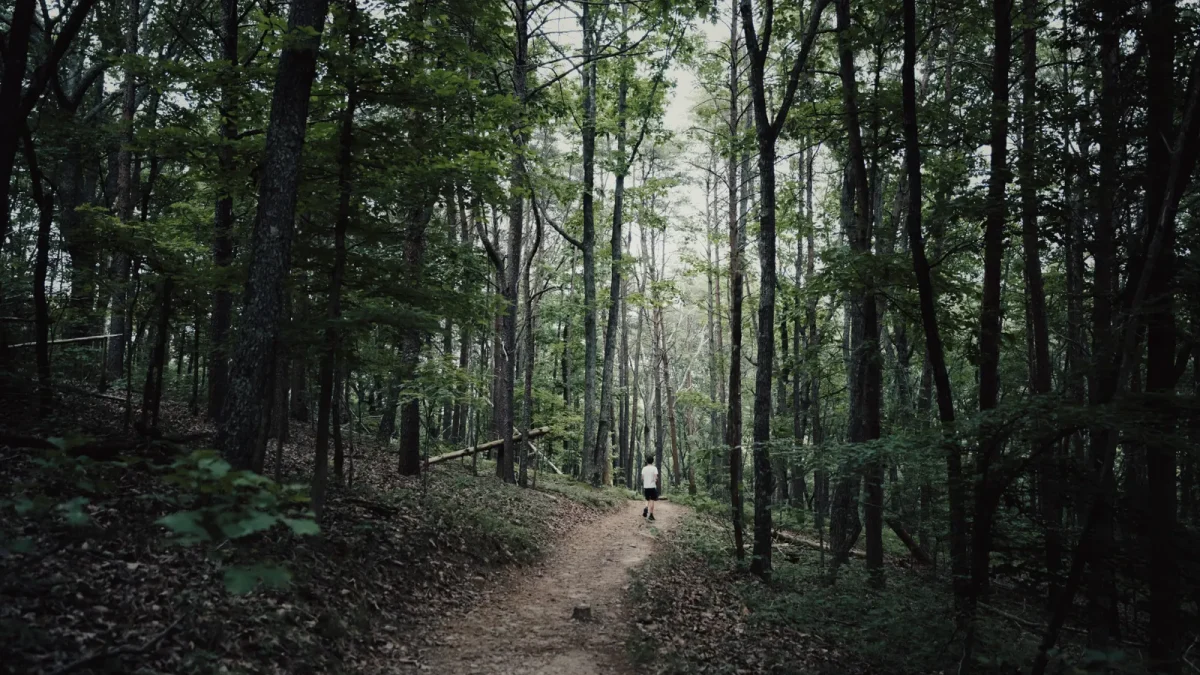
The ATC notes that northbound is the most popular choice but also the most crowded from mid-February to mid-April. Southbound starts with the hardest terrain and fewer towns, so the ATC suggests it for experienced, fit hikers. Flip-flops offer more flexibility, fewer crowds, milder weather and easier terrain at the start.
| Direction | Typical start | Timing limit | Crowds | Best for |
|---|---|---|---|---|
| NOBO | Late February to April (the most common 2025 start date was April 1) | Summit Katahdin before October 15 | Busiest, especially in spring | First-timers who want company |
| SOBO | June to early July, once Katahdin’s trails open | Reach the southern mountains before deep winter | Quietest | Experienced, fit hikers |
| Flip-flop | April or May, often from Harpers Ferry | Katahdin before October 15 on the northern half | Low | Flexible hikers who dislike crowds |
⚠️ The Katahdin deadline is real
Baxter State Park, home of Katahdin, strongly recommends that A.T. hikers summit before October 15 because of seasonal closures. You also need a free Long Distance Hiker Permit, picked up in person at the Katahdin Stream Campground ranger station and valid for seven days. If you’re a slower northbounder, build your whole plan backward from mid-October.
How does direction change your total time? Northbounders often gain speed because the southern mountains let them build fitness before the hardest terrain. Southbounders face Maine’s toughest miles first, so their early weeks are slow. Flip-floppers usually land in the middle, with the bonus of quieter shelters and campsites.
Whichever you choose, the ATC encourages hikers to register their start date on ATCamp, its free, voluntary registration system. Picking a less popular day helps you avoid the “bubble,” the big wave of hikers who all start at the same time.
A Month-by-Month Northbound Timeline (Sample Plan)
Here’s what a six-month northbound hike can look like. This sample assumes a mid-March start and an average of about 12 miles a day, including rest days. Mile numbers are rounded, and your own pace will vary.
Month 1 · mid-March to mid-April
Georgia, North Carolina and the Smokies (miles 0–240)
You start on Springer Mountain (3,782 feet), usually after walking the Approach Trail from Amicalola Falls State Park. Expect cold nights, the odd snowy day and steep climbs, so keep your miles low. Around mile 165 you enter Great Smoky Mountains National Park and cross Kuwohi, formerly Clingmans Dome, the highest point on the whole trail at 6,643 feet.
Month 2 · mid-April to mid-May
Hot Springs to Damascus (miles 240–470)
Trail towns like Hot Springs, North Carolina, come often, and your legs get stronger. This stretch includes the grassy Roan Highlands and, for now, a couple of Hurricane Helene detours. Many hikers time their arrival in Damascus, Virginia, for the Trail Days festival in May.
Month 3 · mid-May to late June
Virginia (miles 470–1,025)
Virginia holds about a quarter of the entire trail. You’ll pass wild ponies in the Grayson Highlands, the famous ledge at McAfee Knob and Shenandoah National Park. Many hikers walk their biggest miles here, although some catch the “Virginia blues” when the green tunnel feels endless. You finish the month at Harpers Ferry, West Virginia, home of the ATC’s visitor center and the trail’s “psychological halfway point.”
Month 4 · late June to late July
Maryland to New York (miles 1,025–1,450)
The true halfway point sits near Pine Grove Furnace State Park in Pennsylvania, where tradition says you try to eat half a gallon of ice cream. Pennsylvania is famous for sharp rocks that punish your feet. Summer heat and humidity kick in, so carry more water and start earlier in the day.
Month 5 · late July to late August
Connecticut to New Hampshire (miles 1,450–1,910)
New England brings bigger views and harder climbs. Vermont’s Green Mountains can be muddy. After Hanover, New Hampshire (around mile 1,750), you enter the White Mountains, where many hikers slow to 8 to 12 miles a day on steep rock and exposed ridges with fast-changing weather.
Month 6 · late August to mid-September
Maine and Katahdin (miles 1,910–2,198)
Maine is wild and rugged. Mahoosuc Notch, often called the hardest mile on the A.T., is a boulder scramble that can take hours. After the town of Monson comes the 100-Mile Wilderness, then the final climb up Katahdin (5,267 feet). Pick up your Baxter permit and keep that October 15 target in mind.
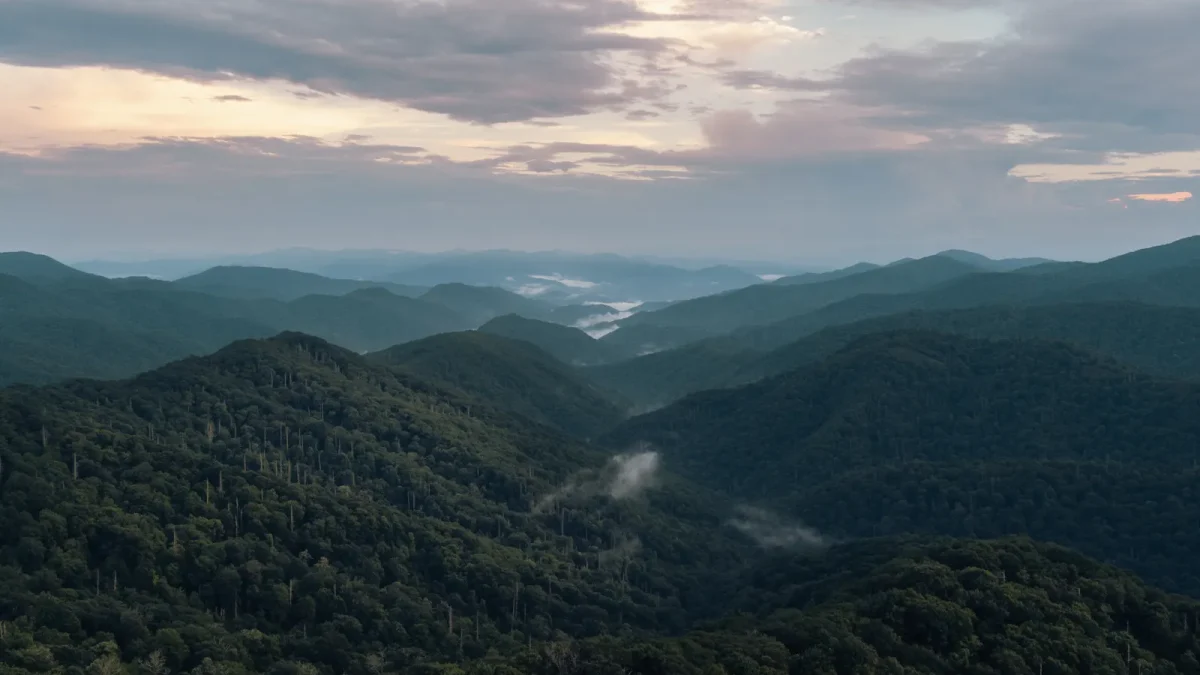
Notice the pattern? The first and last months are the slowest. If you fall behind early, you can usually catch up in Virginia and the mid-Atlantic. It’s much harder to make up time in New Hampshire and Maine.
What Slows Hikers Down (and How to Stay on Schedule)
Most thru-hikers don’t fall behind because they walk slowly. They fall behind because of the days they don’t walk. Here are the five big time-eaters and what to do about each one.
1. Weather and seasons
Early spring in the southern mountains can bring ice, snow and freezing rain. Summer brings heat, humidity and afternoon thunderstorms, especially in the mid-Atlantic. In the White Mountains, conditions above treeline can turn dangerous fast. How to stay on track: dress for the season you’re in, start early to beat storms, and wait out truly bad weather instead of pushing through it. Our hiking layering guide helps you stay comfortable without carrying too much.
2. Zero days and the “town vortex”
Towns are wonderful: showers, laundry and real food. They can also suck you in. One zero turns into two, then three. Hikers call this the vortex. How to stay on track: plan your zeros in advance, for example one every seven to ten days, and use neros to rest without losing a whole day.
3. Injuries and illness
Overuse injuries like shin splints and knee pain usually come from doing too much too soon. Blisters can end a hike if you ignore them. Stomach bugs such as norovirus can spread around shelters, and ticks that carry Lyme disease are common in the mid-Atlantic and New England. How to stay on track: build your mileage slowly, use trekking poles on descents, treat hot spots right away, wash your hands with soap and water, and check for ticks every evening. Our guides to avoiding ticks and building a hiking first aid kit cover the details.
4. Resupply and logistics
You’ll usually reach a road or town every three to five days to buy food or collect boxes you mailed ahead. A closed post office on a Sunday can cost you a day. How to stay on track: buy food as you go when you can, and check opening hours before relying on mail drops. Apps like FarOut and printed guides such as The A.T. Guide list resupply options mile by mile.
5. Detours, closures and permits
Hurricane Helene damaged hundreds of miles of trail in the southern Appalachians in late September 2024. In its July 29, 2026 update, the ATC reported that the Iron Mountain Gap area had reopened, while a 3.6-mile road-walk detour remained at the Nolichucky River in Tennessee and hikers were routing around repairs on the Virginia Creeper Trail near Damascus. When it published the 2026 mileage, the ATC also listed a detour in New Hampshire’s Great Gulf area. How to stay on track: check the ATC’s trail updates before you start and again as you go.
✨ The stay-on-schedule shortcut
Set checkpoint dates instead of a strict daily plan. For example: Damascus by mid-May, Harpers Ferry by late June, Hanover by early August. If you reach each checkpoint within a week of your target, you’re fine. If you’re more than two weeks behind, it’s time to raise your miles, cut zeros or switch to a flip-flop.
How Long Does It Take to Section-Hike the Appalachian Trail?
Section hiking means completing the A.T. in pieces over months or years. It’s how many people with jobs, kids or limited vacation days finish the trail, and the ATC counts section hikers as 2,000-milers just like thru-hikers.
How long it takes depends on how much time you can spare each year. A few simple examples:
- Two weeks a year at 12 miles a day covers about 170 miles. At that rate, the whole trail takes roughly 13 years.
- One month a year at 14 miles a day covers about 420 miles, so you’d finish in about 5 years.
- One state per trip: easy to plan, because each state has its own character, terrain and trail towns.
This table shows roughly how many A.T. miles each state holds and how many hiking days each might take at 12 miles a day. Numbers are rounded, and shared border miles are counted once.
| State | About how many A.T. miles | Days at 12 miles/day | Heads-up |
|---|---|---|---|
| Georgia | 78 | 7 | Steep start; cold in March |
| North Carolina & Tennessee | 390 (incl. about 225 border miles) | 33 | Smokies permit required |
| Virginia | 550 | 46 | About a quarter of the trail |
| West Virginia | 4 (plus shared border miles) | 1 | Harpers Ferry |
| Maryland | 41 | 4 | Gentle, well-graded miles |
| Pennsylvania | 230 | 20 | Very rocky in the north |
| New Jersey | 72 | 6 | Black bears are common |
| New York | 88 | 8 | Lowest point: 124 ft near Bear Mountain |
| Connecticut | 52 | 5 | Short and scenic |
| Massachusetts | 90 | 8 | Mount Greylock |
| Vermont | 150 | 13 | Muddy in spring |
| New Hampshire | 161 | 14+ | White Mountains: plan extra days |
| Maine | 281 | 24+ | Rugged; the Katahdin finish |
For New Hampshire and Maine, add a few extra days to whatever the math says. The terrain is much slower than the numbers suggest.
The Fastest Known Times on the Appalachian Trail
Speed records on long trails are called FKTs, short for “fastest known times.” They’re fun to read about, but they’re a very different sport from a normal thru-hike.
| Record type | Hiker | Direction | Time | Year |
|---|---|---|---|---|
| Supported (a crew meets them with food and gear) | Tara Dower | Southbound | 40 days, 18 hours, 6 minutes | 2024 |
| Self-supported (no crew; they resupply from stores and mailed boxes) | Jeff “Legend” Garmire | Southbound | 45 days, 8 hours, 37 minutes | 2025 |
Tara Dower’s record works out to roughly 54 miles a day, every day, for almost six weeks. Jeff Garmire’s 2025 hike beat Joe “Stringbean” McConaughy’s 2017 self-supported record of 45 days, 12 hours and 15 minutes by less than four hours.
The Fastest Known Time website tracks these records in three styles. Supported hikers have a crew. Self-supported hikers get no personal help, but they can buy food in trail towns and mail boxes to themselves. Unsupported hikers get no outside help at all, not even store resupply, so they must carry all their food from the start.
🏃 Should you try to hike it fast?
Probably not on your first thru-hike. FKT athletes train for years, sleep very little and accept a high risk of injury. For most hikers, 15 to 20 miles a day is already fast, and enjoying the trail is the whole point.
Some hikers who finish the A.T. go on to chase the Triple Crown of hiking, adding the Pacific Crest Trail and the Continental Divide Trail.
How Much Does It Cost to Hike the Appalachian Trail?
Time and money go together on a thru-hike. The longer you’re out, the more you spend in towns. The Trek’s 2025 survey put the average total cost at $7,680, including an average of $2,113 on gear. That leaves roughly $5,500 for about five months on trail, or a little over $1,000 a month.
| Cost | Rough planning range | Notes |
|---|---|---|
| Gear before you start | $1,000–$3,000 | Survey average $2,113; less if you already own good gear |
| Food and resupply | $400–$600 a month | You’ll eat much more than you do at home |
| Town stays and meals | $300–$700 a month | Hostels, motels and restaurants: the biggest variable |
| Permits and campsite fees | About $100–$200 in total | Smokies permit $44.50; Shenandoah permit $9 plus a $6 reservation fee; White Mountains campsites about $10 a night; The Birches $10 |
| Replacement gear | $300–$800 | Mostly shoes; many hikers replace them every 400–500 miles |
| Travel to and from the trail | $100–$800 | Flights, trains or shuttles to Georgia and home from Maine |
These ranges are for planning only. Your spending will mostly depend on how often you stay in town. The simplest money-saving trick is the same as the time-saving one: fewer zeros. Every extra week on trail usually adds a few hundred dollars. Food is a bigger line item than most people expect, because thru-hikers burn a lot of energy. Here’s how many calories you burn hiking.
💡 Keep a budget buffer
Keep 15 to 20 percent extra for surprises: new shoes earlier than planned, a doctor visit or a few rainy days in a motel. Money trouble is a common reason people leave the trail early, and a buffer protects your finish date.
How to Prepare So You Finish on Time
A good timeline starts months before your first step. These steps help you build a plan that survives real life on the trail.
- Pick your direction and start date first. Everything else flows from these two choices. Register your start on ATCamp and choose a quieter day if you can.
- Work backward from your deadline. Northbound? Count back from October 15 at Katahdin. Southbound? Count forward from your June or July start and plan to reach the southern mountains before winter.
- Train for 8 to 12 weeks. Walk hills with a loaded pack, build leg strength and practice long days. Our guide to training for a mountain hike has a simple plan, and the Hiking Fitness Tracker helps you log your progress.
- Do a two- or three-day shakedown hike. Carry everything you plan to take. You’ll quickly learn what you don’t need.
- Weigh your pack. A lighter pack means happier knees and more miles. Our Pack Weight Calculator helps you find a sensible target.
- Sort your permits. Book the Smokies thru-hiker permit on Recreation.gov (up to 30 days ahead), reserve your Shenandoah backcountry permit, and plan to collect Baxter’s free permit in person.
- Break in your footwear. Start in shoes you’ve already walked at least 50 miles in. Not sure what to wear? Read trail runners vs hiking boots.
- Add a two- to three-week buffer. Life happens. A buffer turns a crisis into a small change of plan.
🏔️ Smokies permit, in plain English
Since April 30, 2026, the Great Smoky Mountains thru-hiker permit is sold on Recreation.gov for $44.50. You can buy it up to 30 days ahead, enter the park up to 15 days before or after your estimated date, and you get eight days and seven nights to cross. To qualify, your hike must begin and end at least 50 miles outside the park, and you must use shelters when there’s space.
Gear That Helps You Keep a Steady Pace
Gear won’t hike the miles for you. But the right kit prevents the problems that cost days: blisters, sore knees, bad sleep, dirty water and emergencies with no phone signal. We picked these five based on published specs, thru-hiker surveys and how widely they’re used on the A.T. Nobody paid for a spot on this list.
👟 Most-worn shoe on the A.T.
Altra
Altra Lone Peak 9+ Trail Running Shoes
The Lone Peak was the most popular shoe model in The Trek’s 2025 A.T. thru-hiker survey.
Most thru-hikers now walk in trail runners instead of heavy boots. The Lone Peak’s roomy, foot-shaped toe box gives swollen feet space on long days, and the 9+ adds a sticky Vibram Megagrip outsole for wet rock and roots. They also dry quickly after stream crossings, which matters on a trail this wet.
- Wide toe box helps prevent blisters and bruised toenails
- Vibram Megagrip outsole grips wet rock and roots
- Cushioned 25 mm platform for long days
- Breathable recycled ripstop mesh dries fast
| Drop | 0 mm (zero drop) |
|---|---|
| Stack height | 25 mm |
| Outsole | Vibram Megagrip |
| Midsole | Altra EGO foam |
| Upper | Recycled ripstop mesh |
Best for: hikers with a light-to-moderate pack who want comfort and quick-drying feet. New to zero-drop shoes? Ease in with short walks first, because they work your calves harder.
🛒 Buy from Amazon Men’s link. Prefer the women’s Lone Peak 9+? Check sizes and today’s price on Amazon.
🦵 Saves your knees
Black Diamond
Black Diamond Trail Cork Trekking Poles (Pair)
Adjustable aluminum poles with natural cork grips and FlickLock levers.
The A.T. is famous for steep, rocky descents. Poles take some of that load off your knees, help you balance on wet rock and stream crossings, and set a steady rhythm on climbs. Aluminum shafts tend to bend rather than snap, and cork stays comfortable in sweaty hands.
- FlickLock levers set your length in seconds
- Cork grips with a foam extension for choking down on climbs
- Tough 7075 aluminum made with 30% recycled material
- Trekking and snow baskets included
| Weight | 494 g per pair |
|---|---|
| Length | 100–140 cm |
| Packed length | 64.8 cm |
| Shaft | 7075 aluminum |
| Lock | FlickLock |
Best for: almost every thru-hiker, especially anyone with knee trouble or a heavier pack. Still deciding? Read are trekking poles worth it?
🛒 Buy from Amazon Check today’s price and colors on Amazon.
💧 Clean water, fast
Sawyer
Sawyer Squeeze Water Filtration System (SP129)
A light 0.1-micron hollow-fiber filter for springs and streams.
You’ll pass water sources often on the A.T., but you still need to treat them. The Squeeze screws onto its pouches or many standard bottles, so you can fill up and drink in minutes instead of waiting for tablets to work. Short water breaks keep your whole day moving.
- Rated to remove 99.99999% of bacteria and 99.9999% of protozoa
- Filter weighs about 3 ounces
- Use it with pouches, bottles or inline with a hydration bladder
- Can be backflushed to restore flow
| Pore size | 0.1 micron (absolute) |
|---|---|
| In the box | Filter, two 32-oz pouches, straw, hydration adapter |
| Filter weight | About 3 oz |
| Warranty | Lifetime limited |
Best for: nearly every thru-hiker. Hollow-fiber filters don’t remove viruses or chemicals, and freezing can damage them, so sleep with yours on cold nights. More on water in how much water to bring hiking.
🛒 Buy from Amazon Check today’s price on Amazon.
🛰️ Peace of mind
Garmin
Garmin inReach Mini 3 Satellite Communicator
Two-way texts, location sharing and SOS where your phone has no signal.
Phone coverage on the A.T. comes and goes, especially in remote parts of the Smokies, the White Mountains and Maine. The inReach Mini 3 sends messages over the Iridium satellite network, lets family follow your progress and connects you to an SOS service if something goes wrong. Its new color touchscreen makes typing much easier than on older models.
- Two-way messaging and interactive SOS
- 1.9-inch color touchscreen
- Up to 350 hours of battery in 10-minute tracking mode
- IP67 dust and water protection
| Network | Iridium satellite |
|---|---|
| Battery life | Up to 350 hrs (10-min tracking) |
| Display | 1.9-in color touchscreen |
| Rating | IP67 |
| Needs | Active Garmin subscription |
Best for: solo hikers, anyone with worried family at home and southbounders starting in remote Maine. Budget for the monthly subscription on top of the device.
🛒 Buy from Amazon Check today’s price on Amazon.
😴 Sleep well, walk far
Therm-a-Rest
Therm-a-Rest NeoAir XLite NXT Sleeping Pad (Regular)
13 ounces, an R-value of 4.5 and 3 inches of cushioning.
Good sleep is how your legs recover for tomorrow’s miles. The XLite NXT is warm enough for frosty spring nights in Georgia and the Smokies, yet it packs down to roughly the size of a one-liter water bottle. Therm-a-Rest says it’s 83% quieter than the older XLite, which your shelter neighbors will appreciate.
- R-value 4.5 handles cold spring and fall nights
- 3-inch thickness suits side sleepers
- WingLock valve for quick inflation and deflation
- Pump sack, stuff sack and repair kit included
| Weight | 13 oz (370 g) |
|---|---|
| R-value | 4.5 |
| Thickness | 3 in |
| Size | 20 × 72 in |
| Packed size | 9 × 4.1 in |
Best for: thru-hikers who want warmth and comfort without the weight. Inflatable pads can puncture, so carry the repair kit and clear your tent spot of sharp sticks.
🛒 Buy from Amazon Check today’s price and sizes on Amazon.
Prices and stock change often, so check each listing before you buy. As an Amazon Associate, HikingCare earns from qualifying purchases, at no extra cost to you.
Common Mistakes That Add Weeks (and How to Fix Them)
Most delays on the A.T. come from a handful of very common mistakes. The good news is that each one has a simple fix.
1. Starting too fast in Georgia
❌ The mistake: walking 15 or more miles a day in week one because you feel amazing.
✅ The fix: keep your first two weeks to 8 to 12 miles a day. Muscles adapt quickly, but tendons and joints need longer. The big miles will come.
2. Letting town days snowball
❌ The mistake: one planned zero turns into three in a comfy trail town.
✅ The fix: plan zeros ahead, about one every seven to ten days, and leave town by lunchtime the next day.
3. Carrying too much weight
❌ The mistake: starting with a heavy pack full of “just in case” items.
✅ The fix: do a shakedown hike, cut duplicates and mail home anything you haven’t used in the first week.
4. Ignoring the calendar
❌ The mistake: starting a slow northbound hike in late April with no plan for October 15.
✅ The fix: set checkpoint dates. If you’re far behind at Harpers Ferry, speed up or flip-flop to Katahdin and hike back south.
5. Walking on hot spots
❌ The mistake: ignoring a rubbing spot “until camp.”
✅ The fix: stop at the first hot spot, dry your feet, tape it and change socks. Five minutes now can save days later.
6. Underbudgeting
❌ The mistake: saving just enough for the trail and nothing for getting home.
✅ The fix: budget around the survey average of $7,680, add 15 to 20 percent, and keep money aside for the trip home.
Pro Tips From the Trail
These habits come up again and again in thru-hiker advice. None of them cost money, and all of them save time.
- Hike your big miles in the middle. Virginia and the mid-Atlantic have gentler grades, so bank your longer days there and save energy for New Hampshire and Maine.
- Start early, finish early. Many hikers walk most of their miles before lunch. You beat afternoon storms and get the best campsites.
- Eat like it’s your job. Thru-hikers burn a huge amount of energy. Pack calorie-dense food and snack every couple of hours. Our hiking food guide and Water & Nutrition Calculator can help.
- Download offline maps. Phone signal is patchy, so don’t rely on live maps. FarOut and printed data books show water, shelters and elevation.
- Protect your knees. Use trekking poles on long descents and take shorter steps downhill.
- Wash your hands with soap. Hand sanitizer alone doesn’t reliably kill norovirus, one of the most common shelter bugs.
- Hike your own hike. Trail friends are great, but walking someone else’s pace is a fast way to get hurt or burned out.
The trail rewards consistency more than speed. A steady 14 miles a day beats a week of 22-mile days followed by a week in town.
Real-World Timelines: Three Common Hiker Stories
These are composite examples built from patterns thru-hikers commonly share in trail journals, surveys and online communities. They’re not individual testimonials, but they show how different choices change the timeline.
What these three hikers have in common: each one picked a pace that fit real life, not someone else’s record. The graduate used the gentler southern miles to build fitness before speeding up. The flip-flopper traded the classic start for quieter trail and kinder weather. The parent turned an impossible six-month break into a string of summer trips. There’s no single right way to hike the A.T. The right plan is the one you can actually finish.
Frequently Asked Questions
Can you hike the Appalachian Trail in 3 months?
It’s possible for very fit, experienced hikers, but it’s rare. Finishing in 90 days means averaging about 24 miles a day, including rest days. Most people shouldn’t plan for it on a first thru-hike.
How many miles a day do I need to hike to finish in 6 months?
About 12 miles a day on average, including rest days. Many hikers walk 8 to 10 miles a day at first, then 15 or more once they have their trail legs.
What is the best month to start a northbound thru-hike?
Most northbounders start between March and mid-April, and the most common start date in The Trek’s 2025 survey was April 1. Start early enough to summit Katahdin before October 15, and pick a quieter day on ATCamp to avoid the crowds.
How many people finish the Appalachian Trail?
The ATC estimates that about one in three people who attempt a thru-hike complete it. More than 20,000 completions have been reported to the ATC in total, and nearly 1,000 hikers were recognized as 2,000-milers for 2024.
Do you need a permit to hike the Appalachian Trail?
There’s no single permit for the whole trail, but a few places need one. Thru-hikers need a $44.50 permit for Great Smoky Mountains National Park, a backcountry permit for Shenandoah National Park, and a free Long Distance Hiker Permit from Baxter State Park before climbing Katahdin.
How long does it take to section-hike the Appalachian Trail?
It depends on your time off. Hiking two weeks a year takes roughly 13 years, while a month a year takes about five. Many section hikers finish in 5 to 15 years.
Your Appalachian Trail Timeline Checklist
Use this checklist in the months before you leave. Work through it from top to bottom, because each step builds on the one before it: your direction sets your start date, your start date sets your checkpoints, and your checkpoints tell you how many miles a day you need. Come back to it the week before you travel to the trailhead, and again at your first town stop. If you can tick every box, your timeline is in great shape.
Tap each item as you complete it. Your progress is saved in this browser.
- Choose your direction: NOBO, SOBO or flip-flop
- Pick a start date and register it on ATCamp
- Set a target average pace (for example 12 to 15 miles a day, including rest days)
- Mark checkpoint dates for Damascus, Harpers Ferry, Hanover and Monson
- Book your Smokies permit (up to 30 days ahead) and Shenandoah permit
- Plan around Baxter’s free permit and the October 15 Katahdin target
- Budget your money, plus a 15 to 20 percent buffer
- Train for 8 to 12 weeks and complete a shakedown hike
- Weigh your pack and cut anything you don’t need
- Check the ATC’s trail updates for detours the week you start
The Bottom Line
So, how long does it take to hike the Appalachian Trail? For most people, five to seven months, with the average just under six. Your own number depends on your daily miles, your start date and how many rest days you take.
Pick a direction, set checkpoint dates, train before you go, keep your pack light and give yourself a buffer. Do that, and you’ll give yourself the best possible chance of standing on Katahdin, or Springer, with a huge smile on your face.
🗺️ Plan your A.T. timeline in minutes
Turn this guide into a personal plan with our free tools. No sign-up, nothing to install.
🧭 Route Planner ⛰️ Elevation Gain Calculator 🎒 Pack Weight Calculator 💧 Water & Nutrition Calculator
Keep reading: the 10 essentials every hiker needs, the best ultralight tents and mountain hiking safety.
Sources
- Appalachian Trail Conservancy: 2026 official mileage
- Appalachian Trail Conservancy: Thru-hiking
- Appalachian Trail Conservancy: Permits and fees
- Appalachian Trail Conservancy: Hiking and Hurricane Helene
- Baxter State Park: The A.T.
- The Trek: 2025 Appalachian Trail Thru-Hiker Survey
- Fastest Known Time: Appalachian Trail
Facts checked in September 2026. Trail conditions and permit rules change, so confirm them before you go.
You may also like

How to Train for a Mountain Hike
A practical 8-week mountain hiking training plan — cardio, elevation training, strength and recovery. Built around real schedules.

Best Hiking Headlamps for Trail Safety
How to choose a hiking headlamp — lumens, battery life, beam patterns, weight and price, with picks by use case.

Hiking Food: What to Pack for Day, Overnight & Multi-Day Trips
Hiking food guide — calorie targets, real packing examples, snacks, meals, weight-to-calorie ratios for day hikes through multi-day trips.

Get better at hiking.
Practical hiking tips, gear guides, trail advice and outdoor stories, delivered occasionally. No spam, unsubscribe any time.