Best Hiking in the Midwest: 13 Top Trails (2026)
Thirteen of the Midwest's best hikes compared across 8 states: distance, difficulty, best season, fees and permits, from national lakeshores to long trails.
HikingCare is reader-supported. When you buy through links on our site we may earn a commission at no extra cost to you. How we choose what to recommend.
⏱️ Quick answer
What is the best hiking in the Midwest? Michigan’s Pictured Rocks and Sleeping Bear Dunes lead for scenery, Minnesota’s Superior Hiking Trail and Wisconsin’s Ice Age Trail lead for long-distance hiking, and Illinois’s Starved Rock is the easiest big payoff for a short day trip.
This guide compares 13 of the region’s best trails and parks across 8 states. Every distance, fee and season comes from an official park, state agency or trail-association source.
*The Ice Age National Scenic Trail’s full planned route across Wisconsin, per the National Park Service.
The Midwest doesn’t get the hiking respect it deserves. There’s no 14,000-foot peak here. But there are 200-foot cliffs over Lake Superior, dunes tall enough to wind you, and a 310-mile trail through the North Woods.
Most “best hikes in the Midwest” lists repeat the same three parks and skip the details that actually matter. How long is the trail, really? What does a permit cost? When do the bugs make a trail miserable?
This guide answers those questions with real numbers from the National Park Service, state agencies and trail associations, for 13 of the region’s best hikes across 8 states.
Here’s what you’ll get from this guide:
- An at-a-glance table comparing 13 trails and parks on distance, difficulty and season
- State-by-state picks, from national lakeshores to long-distance trails
- Real fees and permit rules, pulled from official park and agency pages
- A season-by-season guide to bugs, heat and winter closures
- Gear picks suited to muddy, buggy Midwest trail conditions
- A checklist to help you plan your own Midwest hiking trip
The Best Hiking in the Midwest, at a Glance
“Best” depends on what kind of hike you want. The Midwest covers a lot of ground: Great Lakes cliffs, river-carved canyons, prairie bluffs and a few genuinely long trails.
Broadly, this guide splits into four styles. Great Lakes shoreline hikes like Pictured Rocks and Sleeping Bear Dunes give you cliffs, dunes and turquoise water. River-canyon hikes like Starved Rock and Ha Ha Tonka pack waterfalls and rock walls into a short walk. Long-distance trails like the Superior Hiking Trail, Ice Age Trail and Ozark Trail reward multi-day trips. National park and monument hikes like Indiana Dunes, Cuyahoga Valley and Effigy Mounds mix history, wetlands and easy access.
🥾 How we picked these 13
We looked for trails and parks with an official managing body: a national park, state agency or trail association. Each one needed a clear, published distance and a well-documented fee or permit policy. That ruled out vague “underrated gem” lists with no way to check the facts.
Scan the table below first. Then jump to your state, or to the trail that matches your fitness and the number of days you have.
One more thing worth knowing up front: almost none of these trails require a lottery or a hard-to-get permit, unlike many famous Western trails. The bigger planning hurdles here are seasonal weather, a handful of entrance fees, and Isle Royale’s ferry schedule. That makes the Midwest a genuinely easier region to plan a first big hiking trip around.
13 Trails and Parks Compared
Distances below come from each trail’s own park service, state agency or trail association, checked in September 2026. A few, like the Ice Age Trail, are still growing, so figures can shift as new segments open.
| Trail or park | State | Distance | Difficulty | Best season | Fee or permit |
|---|---|---|---|---|---|
| Superior Hiking Trail | Minnesota | About 310 mi end to end | Moderate–difficult | May–October | Free; no permit |
| Ice Age National Scenic Trail | Wisconsin | Longest ~1,200 mi planned, ~700 mi open | Moderate | May–October | Free; no permit |
| Devil’s Lake State Park | Wisconsin | 1.4–1.7 mi per bluff trail | Moderate–difficult | April–October | WI vehicle sticker required |
| Pictured Rocks National Lakeshore | Michigan | Lakeshore Trail ~42 mi; Chapel Loop ~10 mi | Moderate | June–September | $25/vehicle + backcountry permit |
| Sleeping Bear Dunes National Lakeshore | Michigan | Empire Bluff 1.5 mi; Dune Climb 3.5 mi | Moderate–strenuous | May–October | $25/vehicle, 7 days |
| Isle Royale National Park | Michigan | Greenstone Ridge Trail ~40 mi | Difficult | July–September | $7/person/day + ferry |
| Starved Rock State Park | Illinois | Easiest big payoff 13 mi of trails | Easy–moderate | April–June, Sept–Oct | Free |
| Indiana Dunes National Park | Indiana | 50+ mi; Cowles Bog 4.7 mi | Moderate | April–June, Sept–Oct | $25/vehicle or $15/person |
| Cuyahoga Valley National Park | Ohio | Ledges 2.2 mi; Towpath 19.5 mi | Easy–moderate | Year-round | Free |
| Ozark Trail | Missouri | 430+ mi of connected sections | Moderate–difficult | April–May, Sept–Nov | Free; no permit |
| Ha Ha Tonka State Park | Missouri | 15 mi of trails; Turkey Pen Hollow ~6.5–7 mi | Moderate | April–June, Sept–Oct | Free |
| Effigy Mounds National Monument | Iowa | Fire Point Trail ~1.7–2 mi | Easy–moderate | April–June, Sept–Oct | Free |
| Stone State Park (Loess Hills) | Iowa | 10.44 mi of multi-use trails | Easy–moderate | April–June, Sept–Oct | Free |
A pattern shows up fast. The three long-distance trails here (Superior Hiking Trail, Ice Age Trail, Ozark Trail) demand real trip planning and days off work. Everything else is a strong day hike or an easy overnight, which is exactly why the Midwest works so well for a weekend trip.
The Best Hikes in the Midwest, State by State
Here’s what makes each state’s picks worth the drive, plus the details you need before you go.
Minnesota: the Superior Hiking Trail
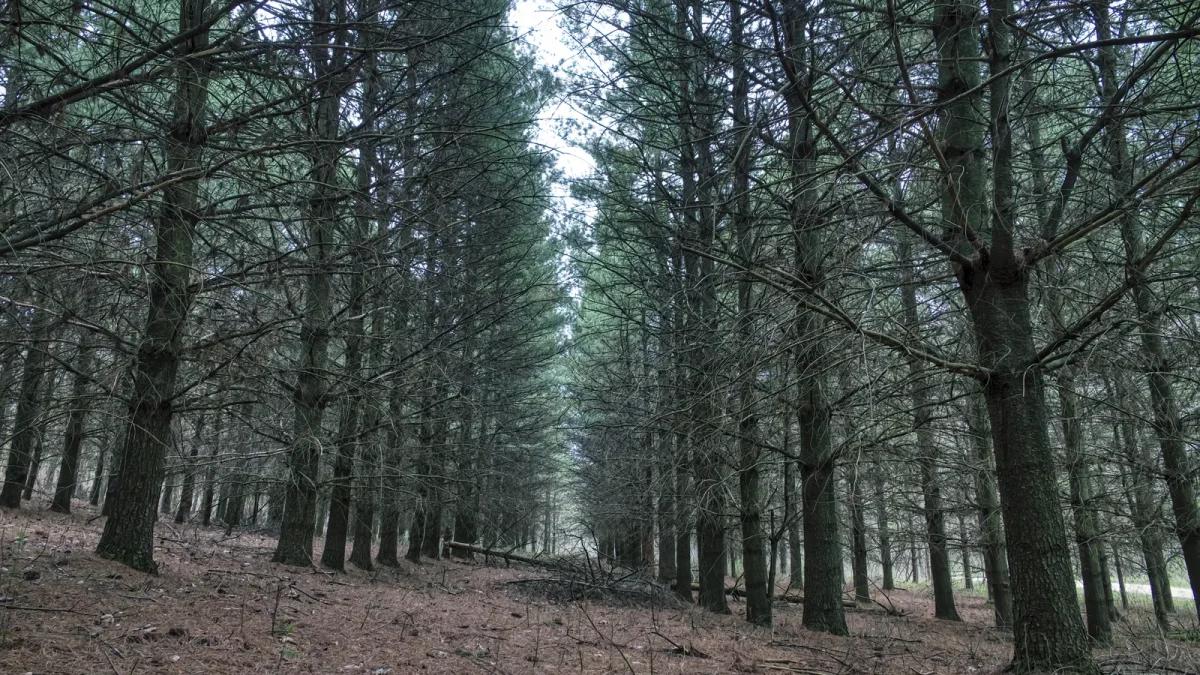
Minnesota’s signature trail runs about 310 miles along Lake Superior’s North Shore, roughly between Duluth and the Canadian border. The Superior Hiking Trail Association maintains 94 backcountry campsites along the way, spaced every 5 to 8 miles. There’s no fee and no permit. Campsites are shared and first-come, first-served. Most thru-hikers take three to four weeks, but the trail’s real strength is its short sections, many of which make a great weekend backpacking trip on their own.
Wisconsin: the Ice Age Trail and Devil’s Lake State Park
Wisconsin’s Ice Age National Scenic Trail traces the edge of the last glacier’s reach, across a planned distance of about 1,200 miles. Roughly 700 miles are currently open, with more added most years by the Ice Age Trail Alliance and the National Park Service. It’s free to hike, with no permit needed for day use.
For a shorter trip, Devil’s Lake State Park packs a lot into a small footprint. The East Bluff Trail (1.7 miles) and West Bluff Trail (1.4 miles) both climb steeply above the lake on rocky, stepped paths, and the park has 29 miles of trails in total. Unlike the Ice Age Trail, Devil’s Lake requires a Wisconsin state park vehicle admission sticker.
Michigan: three national lakeshores and parks
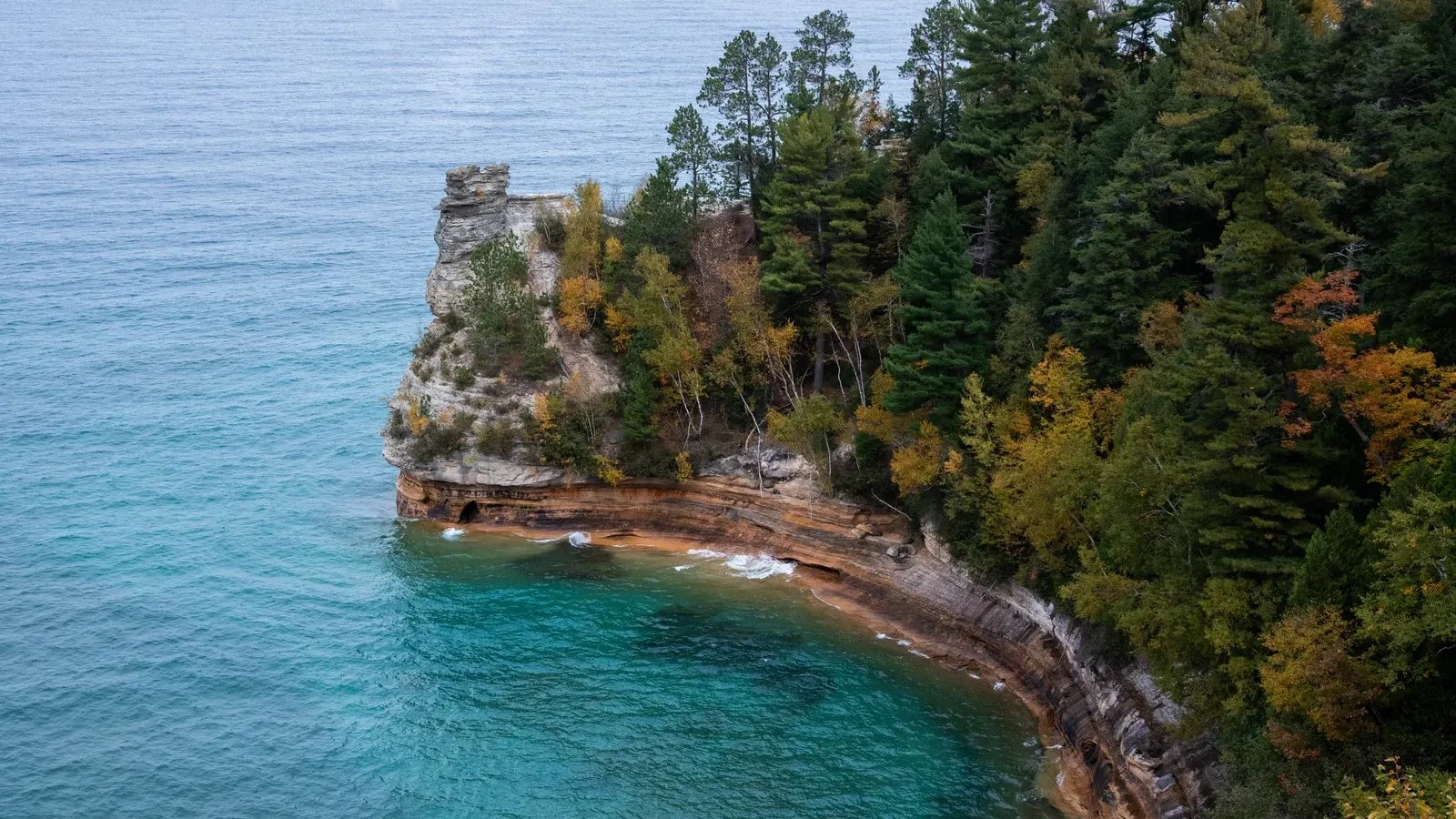
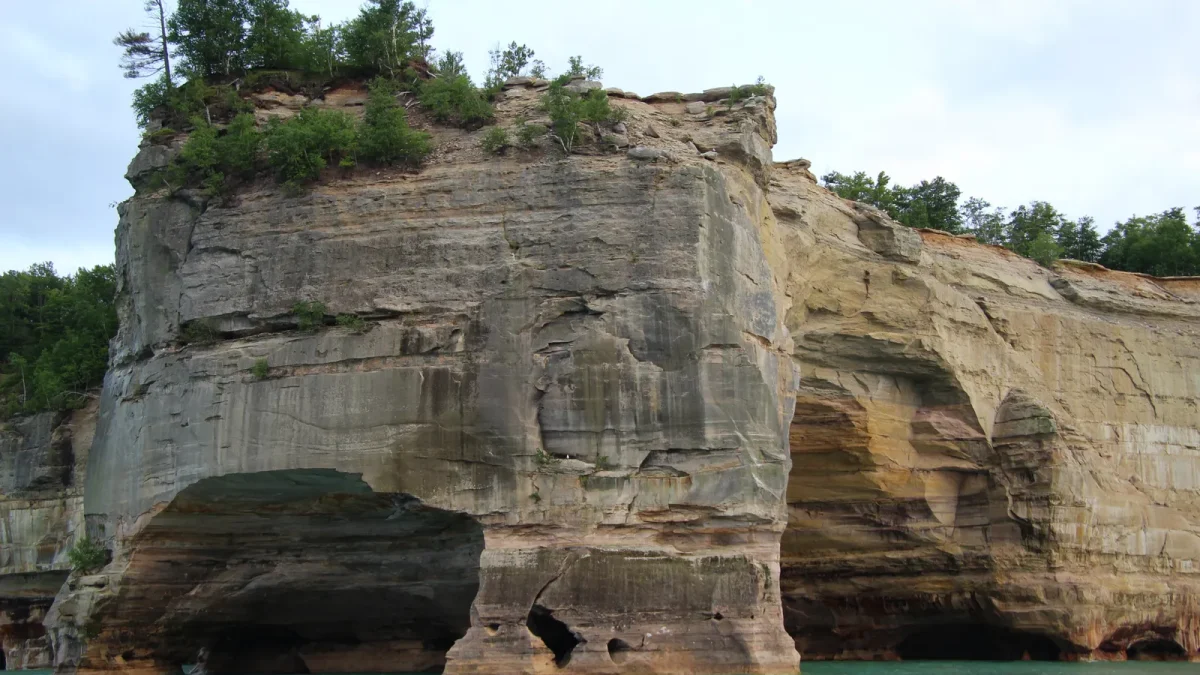
Michigan has the Midwest’s strongest lineup of federally protected hiking. Pictured Rocks National Lakeshore’s Lakeshore Trail runs about 42 miles between Munising and Grand Marais, along sandstone cliffs above Lake Superior. Most people instead walk the shorter Chapel Loop, about 10 miles round trip. Backcountry camping needs a permit, which costs $15 plus $5 per person per night.
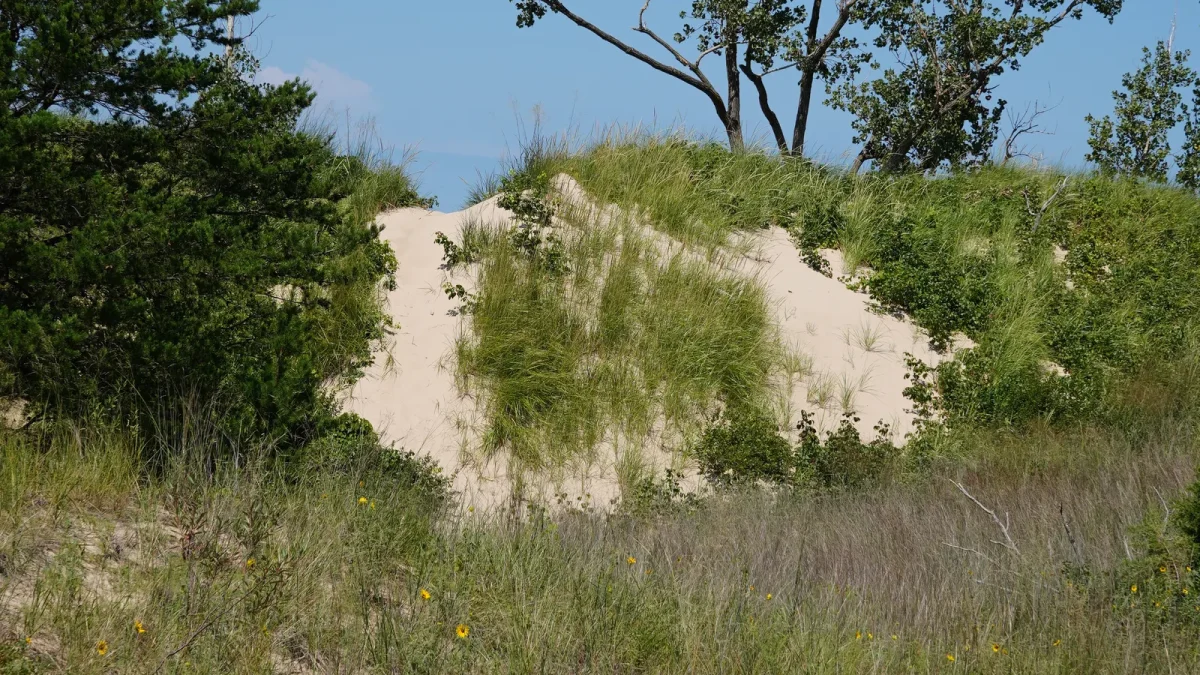
Sleeping Bear Dunes National Lakeshore trades cliffs for dunes. The Empire Bluff Trail (1.5 miles round trip) is a moderate walk to a high dune overlook, while the Dune Climb’s own hiking trail (3.5 miles round trip) is a genuinely strenuous, all-sand route. Both lakeshores charge $25 per vehicle for a 7-day pass.
Isle Royale National Park is the outlier: an island in Lake Superior reachable only by ferry or seaplane. Its Greenstone Ridge Trail runs about 40 miles end to end, and the park charges $7 per person per day on top of transportation costs. The island closes for the season each fall and reopens in mid-April.
Illinois: Starved Rock State Park
Starved Rock is the Midwest’s classic proof that you don’t need a mountain for a dramatic hike. Glacial meltwater carved 18 canyons into St. Peter sandstone here, and 13 miles of marked trails link them, past waterfalls that peak after spring snowmelt and rain. Illinois charges no entrance fee at any state-owned park. The park also has an active, multi-year trail improvement project that closes different canyons on a rotating basis, so check the current closures page before you go.
Indiana: Indiana Dunes National Park
Indiana Dunes National Park protects one of the National Park System’s most botanically diverse spots, with 15 trail systems covering more than 50 miles. The Cowles Bog Trail (4.7 miles, moderate to rugged) crosses ponds, marshes and black oak savanna on its way to the beach. A 7-day pass costs $25 per vehicle, or $15 per person on foot or by bike.
Ohio: Cuyahoga Valley National Park
Cuyahoga Valley National Park, between Cleveland and Akron, charges no entrance fee at all, since public roads run straight through it. The Ledges Trail (2.2 miles, moderate, rocky) is the park’s signature short hike, and the flat, crushed-limestone Towpath Trail runs 19.5 miles along the old Ohio & Erie Canal. We cover Ohio’s trails in much more depth, including several state parks and gorges, in our full guide to hiking in Ohio.
Missouri: the Ozark Trail and Ha Ha Tonka State Park
The Ozark Trail already runs more than 430 miles of connected sections through the Missouri Ozarks, with a long-term goal of 500 miles to the Arkansas border. It’s free, with no permit needed for day hiking along most sections.
Ha Ha Tonka State Park is a better one-day option. Its 15 miles of trails circle a collapsed cave system, a natural bridge and castle ruins above the Lake of the Ozarks. The Turkey Pen Hollow Trail, at about 6.5 to 7 miles, is the longest continuous route in the park. Missouri charges no entrance fee at any of its 93 state parks and historic sites.
Iowa: Effigy Mounds and the Loess Hills
Effigy Mounds National Monument protects Native American ceremonial mounds shaped like animals above the Mississippi River. The Fire Point Trail, a loop of about 1.7 to 2 miles, is the park’s most popular hike and needs no entrance fee.
For a different landscape, Stone State Park sits in the Loess Hills near Sioux City, a rare wind-deposited landform found in only a few places on Earth. The park has 10.44 miles of trails open to hikers, and like almost all Iowa state parks, it’s free to enter.
Permits, Fees and Access
Fee policy is where Midwest states differ the most, and it catches first-time visitors off guard more than anything else on this list.
| State | Typical fee policy | Example from this guide |
|---|---|---|
| Illinois | Free No entrance fee at state-owned parks | Starved Rock State Park |
| Wisconsin | Vehicle admission sticker required at state parks | Devil’s Lake State Park |
| Michigan | Federal per-park fee ($25/vehicle, 7 days); Isle Royale charges $7/person/day instead | Pictured Rocks, Sleeping Bear Dunes, Isle Royale |
| Indiana | Federal per-park fee ($25/vehicle or $15/person) | Indiana Dunes National Park |
| Ohio | Free No entrance fee; public roads cross the park | Cuyahoga Valley National Park |
| Missouri | Free No entrance fee at any state park | Ha Ha Tonka State Park, Ozark Trail |
| Iowa | Free No entrance fee at almost all state parks | Stone State Park, Effigy Mounds |
Backcountry camping is a separate question from day-use entry. Pictured Rocks and Isle Royale both require a backcountry permit on top of the entrance fee. Isle Royale adds a real logistics challenge, too: the only way in is a ferry or seaplane, and both need advance booking in summer.
⚠️ Check closures before a Starved Rock trip
Starved Rock State Park has an active, multi-year trail improvement project. Different canyons close on a rotating schedule, sometimes for a full season. Check the Illinois Department of Natural Resources’ closures page a few days before you go, especially if a specific canyon or waterfall is the reason for your trip.
Long trails like the Ice Age Trail and Superior Hiking Trail cross a mix of public and private land. Staying on the marked trail and using only designated campsites isn’t just good etiquette. It’s often the reason landowners keep allowing access at all.
Bugs and Weather, Season by Season
The Midwest’s weather swings are as much a planning factor as distance or difficulty. Here’s what to expect by season.
Spring (April–May): Snowmelt fills waterfalls at Starved Rock and Ha Ha Tonka, but it also means mud on northern trails and swollen stream crossings. Ticks become active once daytime temperatures pass about 45°F, right as spring hiking season starts.
Summer (June–August): Heat and humidity peak across the region, especially in Missouri, Illinois, Indiana and Ohio. Mosquitoes and ticks are worst on wooded and wetland trails, including Cowles Bog and the forests along the Superior Hiking Trail. Summer is also the only realistic season for Isle Royale, since its ferries run then and the island closes for winter.
Fall (September–October): Most hikers consider this the best Midwest hiking window: lower humidity, fall color and fewer bugs. Some state forests overlap with hunting season in the fall, so wearing blaze orange is a smart precaution on multi-use trails.
Winter (November–March): Long northern trails like the Superior Hiking Trail and Ice Age Trail shift to cross-country skiing and snowshoeing instead of hiking. Isle Royale closes completely. Trails farther south, like Starved Rock, Ha Ha Tonka and Cuyahoga Valley, stay open but get icy, especially on bluff steps and canyon rims.
🩺 Not medical advice
This section is general planning information, not medical advice. Ticks in the Midwest can carry Lyme disease and other illnesses. The CDC recommends EPA-registered repellents, permethrin-treated clothing, walking in the center of trails, and a full-body tick check after every hike. See a doctor if you develop a rash or fever after a hike.
Our free Trail Weather Planner can help you check conditions for a specific date before you commit to a trailhead.
Gear for Midwest Trails
We picked these four based on published specs and how well they match Midwest conditions specifically: mud, ticks, short steep climbs and humid summers. Nobody paid for a spot on this list.
👟 Best for mud and rocky bluffs
Merrell
Merrell Men’s Moab 3 Waterproof Hiking Shoe
A waterproof, low-cut hiking shoe built for mixed terrain.
Spring mud at Starved Rock, wet sandstone at Pictured Rocks and loose gravel at Devil’s Lake all call for real traction and a dry foot. The Moab 3’s waterproof membrane and Vibram outsole handle exactly this kind of mixed, unpredictable Midwest terrain.
- Waterproof membrane seals out water while letting moisture escape
- Vibram TC5+ outsole grips mud, wet rock and dry dirt alike
- Merrell Air Cushion heel absorbs shock on long descents
- Bellows tongue keeps out trail debris and grit
| Upper | Pig suede leather and breathable mesh |
|---|---|
| Outsole | Vibram TC5+, 5mm lug |
| Drop | 11.5mm |
| Midsole | Super Rebound Compound |
Best for: muddy spring trails and rocky bluff climbs. It isn’t insulated, so it’s the wrong choice for winter hiking on icy canyon rims.
🛒 Buy from Amazon Check today’s price and sizes on Amazon.
🦟 For tick and mosquito season
Sawyer
Sawyer Products Premium Permethrin Insect Repellent, Trigger Spray
A clothing and gear treatment that kills ticks and mosquitoes on contact.
Summer humidity brings out ticks and mosquitoes on wooded Midwest trails, from Cowles Bog’s wetlands to the forests along the Superior Hiking Trail. This spray bonds permethrin to clothing and gear rather than skin, and keeps working through repeated wear.
- Kills ticks, mosquitoes, chiggers and more on contact
- Bonds to fabric fibers for up to 6 weeks or 6 washings
- Applied to clothing and gear, not skin
- Doesn’t stain or damage most fabrics
| Active ingredient | Permethrin |
|---|---|
| Application | Clothing, boots, tents and gear only |
| Duration | Up to 6 weeks or 6 washings |
| Dry time | 2 hours (4 in humid conditions) |
Best for: wooded and wetland trails in tick season. It isn’t a skin repellent, so you’ll still want a separate one for exposed skin.
🛒 Buy from Amazon Check today’s price on Amazon.
🥢 For steep, short climbs
Black Diamond
Black Diamond Trail Ergo Cork Trekking Poles
Adjustable poles with an ergonomic cork grip for steady footing.
The Dune Climb’s loose sand, Devil’s Lake’s stone steps and the Ledges Trail’s rocky footing all reward a good pair of poles. The angled cork grip is designed to reduce wrist strain on the kind of short, steep pitches the Midwest specializes in.
- Ergonomic-angle cork grip wicks moisture on humid days
- Dual FlickLock adjusters set your exact height fast
- Adjustable length suits both uphill and downhill pitches
- Collapsible design for travel between trailheads
| Grip | Ergonomic-angle natural cork |
|---|---|
| Adjustment | Dual FlickLock levers |
| Style | Telescoping, adjustable length |
Best for: sandy dune climbs and stepped bluff trails. Fixed-length poles suit hikers who already know their preferred height better than these do.
🛒 Buy from Amazon Check today’s price on Amazon.
🎒 For day trips and shoulder seasons
Osprey
Osprey Daylite Plus Daypack
A 20-liter daypack sized for a full day at any park in this guide.
Most hikes in this guide are day trips, not multi-day treks, so a full backpacking pack is more than you need. The Daylite Plus holds a rain layer, snacks and a hydration reservoir with room to spare, at a fraction of the weight.
- 20-liter capacity fits a full day’s layers and food
- External hydration sleeve fits up to a 3-liter reservoir
- Five external pockets, including a front stuff pocket
- AirScape ventilated back panel for humid summer hikes
| Capacity | 20 L |
|---|---|
| Weight | About 0.54 kg (1.2 lb) |
| Hydration | External sleeve, fits up to 3 L reservoir |
| Pockets | 5 external, including front stuff pocket |
Best for: day hikes at any park in this guide. It’s too small for a multi-day trip on the Superior Hiking Trail or Isle Royale.
🛒 Buy from Amazon Check today’s price and colors on Amazon.
Prices and stock change often, so check each listing before you buy. As an Amazon Associate, HikingCare earns from qualifying purchases, at no extra cost to you.
Common Mistakes When Planning a Midwest Hike (and How to Fix Them)
1. Assuming free entry means no rules
❌ The mistake: assuming a free state park has no rules on leashes, camping or hours.
✅ The fix: check the specific park’s rules first. Free entry doesn’t mean unrestricted access, and rules vary a lot by state.
2. Packing like it’s the mountains
❌ The mistake: bringing heavy, alpine-style gear for what are mostly flat or gently rolling trails.
✅ The fix: pack for humidity, mud and bugs instead. Save the heavy mountaineering gear for actual mountains.
3. Skipping tick and bug protection
❌ The mistake: assuming low elevation means low risk, and skipping repellent or a tick check.
✅ The fix: treat clothing with permethrin and do a full-body tick check after every hike, especially June through August.
4. Underestimating short, steep climbs
❌ The mistake: treating the Dune Climb or a bluff trail as “easy” because the total distance is short.
✅ The fix: check the terrain, not just the mileage. A 3.5-mile all-sand climb can beat a longer, gentler trail for difficulty.
5. Not booking Isle Royale transportation early
❌ The mistake: assuming you can show up and catch a ferry or seaplane to Isle Royale.
✅ The fix: book your ferry or seaplane months ahead for a summer trip. Transportation, not the trail, is the real bottleneck here.
6. Ignoring seasonal and rotating closures
❌ The mistake: driving to a specific canyon or trail without checking current closures first.
✅ The fix: check the park or DNR alerts page a few days before you go, especially at Starved Rock and any trail affected by seasonal work.
Pro Tips for Midwest Hiking Trips
- Buy a state pass if you’ll visit several parks in one state. Wisconsin’s vehicle sticker pays for itself fast if Devil’s Lake is one stop on a bigger trip.
- Start dune and bluff climbs early. Morning starts beat both the heat and the crowds at popular spots like the Dune Climb and Starved Rock.
- Check the park or DNR alert page the morning you leave. Closures and conditions can change faster than a guide like this one can track.
- Pack layers. Midwest weather can swing 20°F in an afternoon, especially near the Great Lakes.
- Download an offline map for low-signal areas. Isle Royale and the Ozark Trail’s backcountry sections both have patchy cell coverage.
- Pair a big park with a nearby state park. A Pictured Rocks trip pairs well with a shorter stop at a nearby state forest or beach.
- Bring cash or a card for gateway towns, not just the trailhead. Small towns near Isle Royale, the Ozark Trail and the Superior Hiking Trail can have limited ATMs or card readers.
- Tell someone your route and return time. Cell service is unreliable on Isle Royale, deep in the Ozarks, and along long sections of the Ice Age and Superior Hiking Trails.
The Midwest’s best trails prove a great hike doesn’t need a mountain. It needs a lake, a canyon, or a few hundred curious miles of trail.
Real-World Trip Examples
These are composite examples built from patterns hikers commonly share in trip reports, forums and trail communities. They’re not individual testimonials, but they show how Midwest trips typically come together.
What these three have in common: each one matched their trip to a specific trail’s real logistics, whether that’s a permit, a shuttle or just picking a quieter day. That homework is what separates a smooth Midwest trip from a frustrating one.
Frequently Asked Questions
What is the best national park for hiking in the Midwest?
It depends on what you want. Pictured Rocks and Sleeping Bear Dunes give you the most dramatic Great Lakes scenery. Isle Royale gives you real backcountry solitude. Indiana Dunes and Cuyahoga Valley are the easiest to reach for a day trip.
Do I need a permit to hike in the Midwest?
Day hiking is usually free, with no permit needed. Backcountry camping at Pictured Rocks and Isle Royale both require a paid permit, and some Wisconsin state parks require a vehicle admission sticker instead.
When is the best time to hike in the Midwest?
September and October offer the best mix of cooler air, fall color and fewer bugs across most of the region. Isle Royale is the exception: its ferries run only from around mid-April to October, and most visitors go in July through September.
Which Midwest trail is the longest?
The Ice Age National Scenic Trail has the longest planned route, at about 1,200 miles across Wisconsin, though only around 700 miles are currently open. The Superior Hiking Trail (about 310 miles) and Ozark Trail (430+ miles) are the next longest complete routes.
Are there ticks and mosquitoes on Midwest hiking trails?
Yes, especially on wooded and wetland trails from late spring through summer. The CDC recommends permethrin-treated clothing, an EPA-registered repellent, and a full-body tick check after every hike.
How do I get to Isle Royale National Park?
Only by ferry or seaplane. There are no roads or bridges to the island, and both ferry and seaplane seats need advance booking, especially in July and August.
Your Midwest Hiking Checklist
Use this checklist once you’ve picked a trail or park from this guide. Work through it in order, since permits and transportation often decide your whole schedule.
Tap each item as you complete it. Your progress is saved in this browser.
- Pick a trail or park that matches your fitness, season and vacation length
- Confirm that state’s entrance fee or vehicle sticker policy
- Book a backcountry permit if you’re backpacking Pictured Rocks or Isle Royale
- Book Isle Royale ferry or seaplane tickets early if that’s your trip
- Check the park or DNR site for current trail closures
- Pack permethrin-treated clothing and a separate skin repellent
- Pack layers for sudden temperature and weather swings
- Download an offline map for low-signal sections
The Bottom Line
The best hiking in the Midwest isn’t one single trail. It’s whichever of these 13 matches the trip you want, from a two-hour canyon walk at Starved Rock to a three-week trek on the Superior Hiking Trail.
Check the specific fee, permit and season details for your pick. Do that, and any of these trails can anchor a great weekend or a full vacation.
🗺️ Start planning your Midwest hike
Turn this guide into a real plan with our free tools. No sign-up, nothing to install.
Keep reading: our full guide to hiking in Ohio, the Triple Crown of hiking and the 10 hiking safety essentials.
Sources
- National Park Service: Ice Age National Scenic Trail basic information
- Superior Hiking Trail Association: know before you go
- Wisconsin DNR: Devil’s Lake State Park hiking trails
- National Park Service: Pictured Rocks fees and permits
- National Park Service: Sleeping Bear Dunes hiking trails
- National Park Service: Isle Royale entrance fees
- Illinois DNR: Starved Rock State Park activities
- National Park Service: Indiana Dunes entrance fees
- National Park Service: Cuyahoga Valley hiking trails
- Ozark Trail Association
- National Park Service: Effigy Mounds fees
- Iowa DNR: Stone State Park
- CDC: preventing tick bites
Facts checked in September 2026. Fees, permits and trail closures change often, so confirm details with each park or agency before you go.
You may also like
How to Get to Havasu Falls Without Hiking (2026 Guide)
There is no way to reach Havasu Falls without a Havasupai Tribe reservation, and no guaranteed hike-free trip. Here is what the…
How Long Does It Take to Hike the Appalachian Trail? (2026 Guide)
Most thru-hikers need five to seven months to walk all 2,197.9 miles. Here is how the timeline really works: daily miles, start…
The Best 2-Person Backpacking Tents for 2026
The best 2-person backpacking tent balances weight per person, foot-end width and door count, not just floor area. See six tents compared,…

Get better at hiking.
Practical hiking tips, gear guides, trail advice and outdoor stories, delivered occasionally. No spam, unsubscribe any time.