How Much Water Should You Bring Hiking?
A practical formula for hiking water — by hour, body weight, climate and elevation. Plus when to filter, when to carry extra, and how to pace electrolytes.
HikingCare is reader-supported. When you buy through links on our site we may earn a commission at no extra cost to you. How we choose what to recommend.
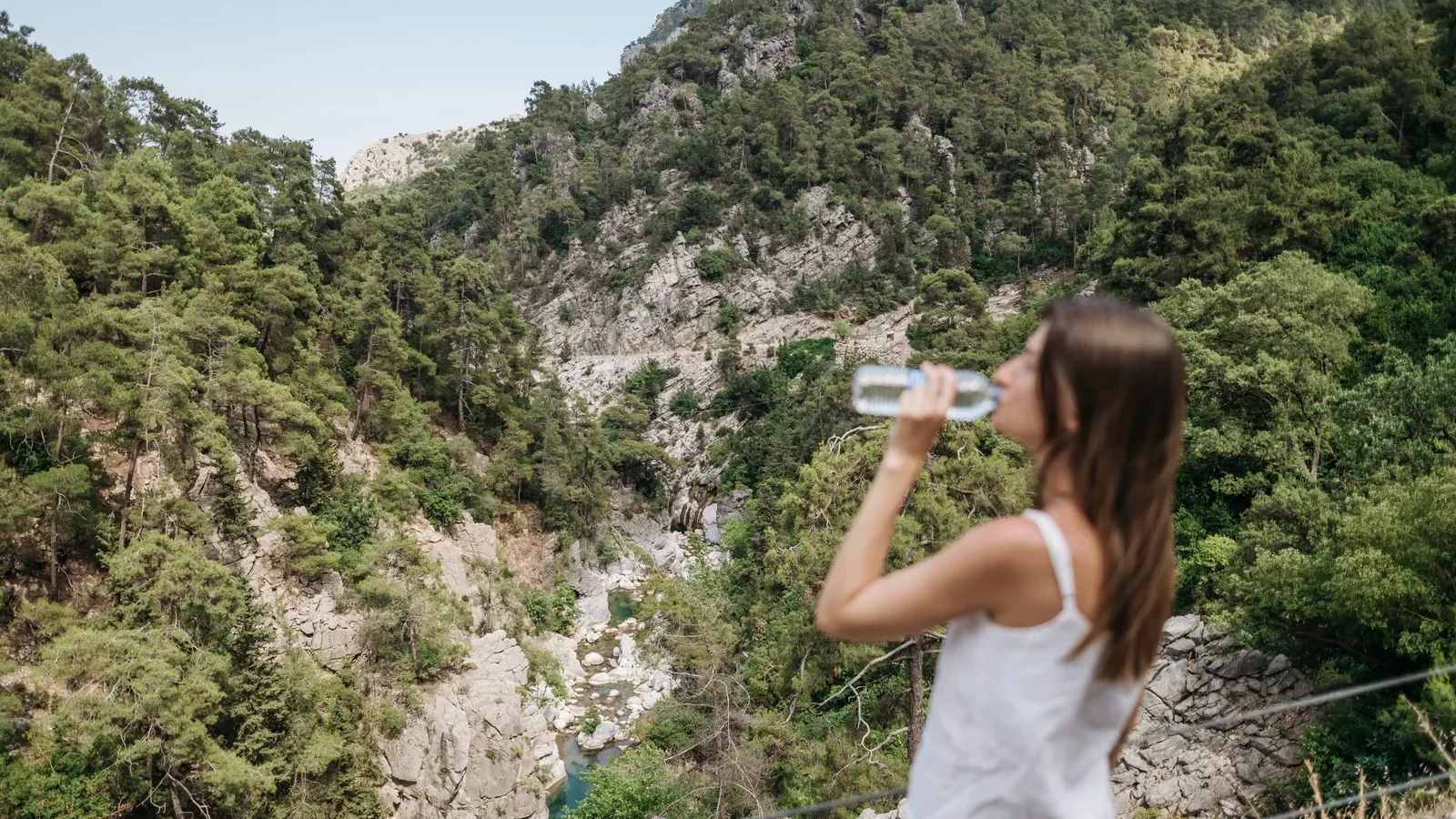
How much water should you bring hiking? The simple rule: roughly 0.5 liters per hour of moderate hiking, doubled in hot weather or hard terrain. But the real answer depends on body weight, climate, elevation, and water availability on the trail.
Quick formula
For a 160 lb adult on a moderate trail in mild weather:
- 0.5 L per hour baseline.
- +50% if temperatures exceed 80 °F.
- +30% at high elevation (above 8,000 ft).
- +20% on hard trails (rocky / steep).
Plug your specifics into our Water & Nutrition Calculator for a personalized estimate.
The water carry math
Water weighs 2.2 lb per liter. A 4 L carry is 8.8 lb — sometimes the second-heaviest item in your pack. The skill is balancing safety with weight.
- 0–4 hour day hike, mild weather: 1.5–2 L.
- Full-day hike, hot: 3 L on body + filter for refills.
- Multi-day backpacking: 2 L capacity + reliable filter.
- Desert / dry trails: 4 L+ and conservative pacing.
When to filter vs purify
Modern hollow-fiber filters handle bacteria and protozoa in most US backcountry water. They don’t remove viruses (rarely an issue domestically) or chemical contaminants. For deeper safety in questionable water, use chemical purification tablets as backup. Backpacking water filters on Amazon
Electrolytes — when they actually matter
If you’re hiking less than 2 hours in mild conditions, plain water is fine. Beyond 2 hours, or in heat, electrolytes prevent cramping and the slow-onset headache of low sodium. A tab or scoop every 60–90 minutes covers most hikers. Electrolyte mixes on Amazon
Signs you’re behind
- Dark yellow urine.
- Headache, especially at altitude.
- Cramping legs or fingers.
- Reduced sweating despite exertion.
If you experience these, sit down, drink, eat a salty snack, and rest. Don’t try to push through — that’s how mild dehydration becomes a real problem.
Bladders vs bottles
Bladders win for steady sipping on long days. Bottles win for measuring intake, freezing in winter, and easier refills. Most experienced hikers carry one of each. See our hydration systems comparison for the breakdown.
Frequently asked questions
Can I drink water straight from a stream?
Not without treating it. Clear mountain water can still carry bacteria and protozoa. A lightweight filter, purification tablets or boiling makes it safe; choose a purifier where viruses are a concern.
How do I carry three litres comfortably?
Split it: a bladder or bottle against your back for the bulk and a bottle in a side pocket for easy access. Keep the heaviest water close to your spine and mid-height in the pack so it does not pull you backwards.
Is it possible to drink too much water?
Yes. Over many hours, drinking well beyond thirst without replacing salt can dilute the body's sodium, a condition called hyponatremia. Eat salty food, use electrolytes on long hot days and drink to thirst rather than to a schedule.
Read next
 Read nextHiking Hydration Systems: Bladders vs Bottles vs Filters
 Read nextHiking Food: What to Pack for Day, Overnight & Multi-Day Trips
Plan it with our free tools: Water & Nutrition Calculator · Trail Weather Planner
You may also like
How to Avoid Ticks While Hiking (2026 CDC-Based Guide)
Follow CDC guidance to avoid ticks while hiking: permethrin-treated clothing, EPA-registered repellents, trail habits, tick checks, correct removal steps and when to…
Hiking First Aid Kit: What to Pack and Why (2026 Guide)
What actually belongs in a hiking first aid kit? See contents by trip type, detailed blister and wound care, five real products,…

Hiking Safety: The 10 Essentials Every Hiker Needs
The 10 Essentials hiking safety list explained — what each item does, lightweight modern versions, and why most hikers carry 7 of…

Get better at hiking.
Practical hiking tips, gear guides, trail advice and outdoor stories, delivered occasionally. No spam, unsubscribe any time.