Best Hiking Boots in 2026: How to Choose the Right Pair
How to pick hiking boots that suit your trails: grip, ankle support, waterproofing, weight and sizing — plus when a trail runner is the better buy.
HikingCare is reader-supported. When you buy through links on our site we may earn a commission at no extra cost to you. How we choose what to recommend.
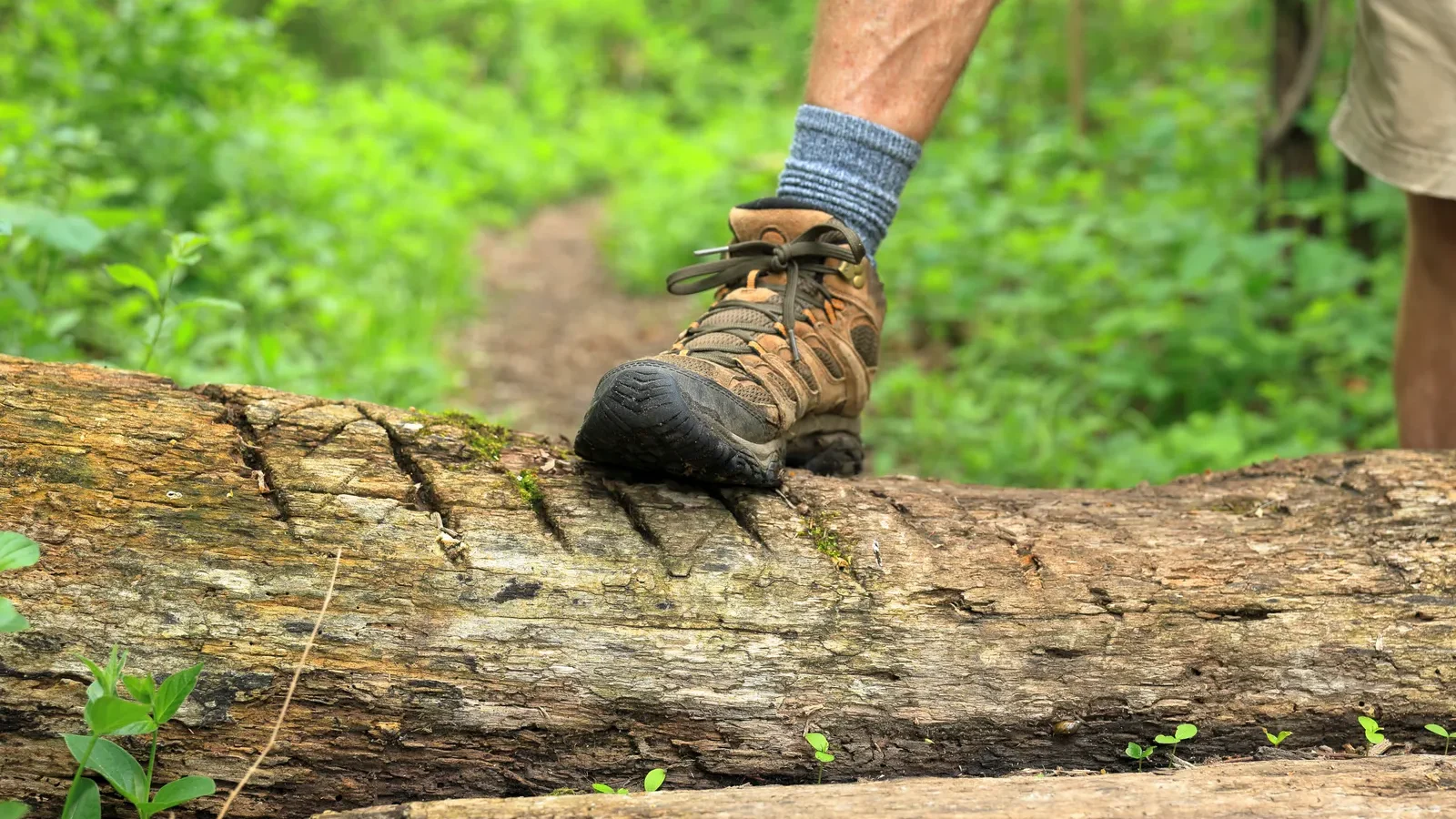
Finding the best hiking boots isn’t about price or brand — it’s about matching the boot’s stiffness, waterproofing and weight to the trails you actually hike. This guide breaks down the boot styles that suit different trails and shows you what to look for in each, so you can choose with confidence rather than by brand name.
What makes a hiking boot worth buying
Three things separate a great boot from an average one:
- Outsole grip — Vibram-style rubber compounds make the biggest difference on wet rock.
- Ankle support — mid-cut boots prevent rolled ankles under heavy packs.
- Waterproof breathability — a Gore-Tex or comparable membrane is essential for shoulder-season hiking.
If your hikes are mostly under 6 miles on smooth trails, a hiking shoe or trail runner may serve you better than a boot. Use our hiking match quiz to get a personalized recommendation in 60 seconds.
Best all-around hiking boots
For mixed terrain — the kind of hike that starts smooth and ends in scree — an all-around mid hiker hits the best balance of support, weight and waterproofing. See current best-selling hiking boots on Amazon
Look for boots in the 1.8–2.4 lb-per-pair range. Anything heavier becomes punishing on long days; anything lighter usually compromises on ankle support or durability.
Best hiking boots for wide feet
If you’ve ever felt your little toe pinching after mile 5, the issue is almost always last shape, not size. Brands with naturally wide toe boxes — like Altra’s zero-drop trail line or Keen’s wider hiking range — let your toes splay naturally on descents. Wide-width hiking boots on Amazon
Best lightweight waterproof boots
A waterproof boot under 2 lb is the modern sweet spot. Lighter than traditional leather hikers, drier than trail runners, and they break in quickly. Pair them with merino socks and gaiters in wet conditions.
Trail runners vs hiking boots
This is the great hiking debate. Trail runners are lighter and dry faster; boots offer more support and protection. Our take: if your pack is over 25 lb or the terrain is rocky and rooted, boots win. If you’re moving fast and light, trail runners are better. Read our full trail runners vs hiking boots breakdown for the deciding factors.
How to size hiking boots correctly
Buy a half size larger than your normal shoe and try them on with your hiking socks. Your toes should not touch the front when you kick a wall — your foot expands on descents and that gap prevents black toenails.
The editor pick
For most hikers most of the time, a mid-cut waterproof boot in the 2-lb range with a Vibram-style sole is the right choice. Build the rest of your kit around it with our Hiking Gear Planner or check the matching gear in our hiking gear database.
Frequently asked questions
Should I buy hiking boots a half size larger?
Often, yes, because feet swell on long days and slide forward on descents. The test is simple: with the boot laced and your heel against the back, you should have about a thumb's width in front of your longest toe.
Do I need waterproof hiking boots?
If you hike in rain, snow or boggy ground, a waterproof membrane keeps feet drier and warmer. If you hike mostly in dry, warm conditions, a non-waterproof boot breathes better and dries faster after a soaking.
How long do hiking boots last?
Roughly 500–1,000 miles for most modern boots depending on terrain, load and how hard you are on them. Rocky trails and heavy packs wear outsoles and midsoles fastest.
Read next
 Read nextTrail Runners vs Hiking Boots: Which Should You Buy?
 Read nextHow to Choose a Hiking Backpack: Complete Sizing Guide
Plan it with our free tools: Hiking Match Quiz · Hiking Gear Database
You may also like
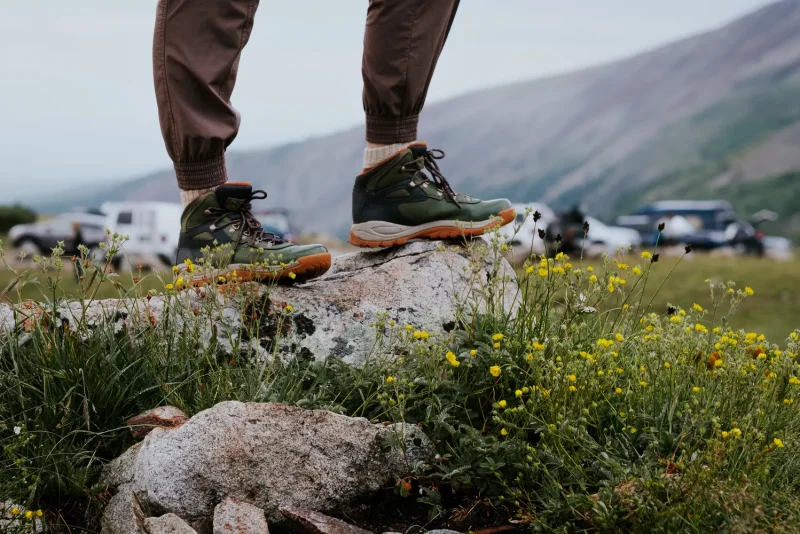
Are Timberlands Good for Hiking? A Comprehensive Review (2026)
Timberland sells real hiking boots and a classic work boot under one name. Here's an honest, spec-based look at which models handle…
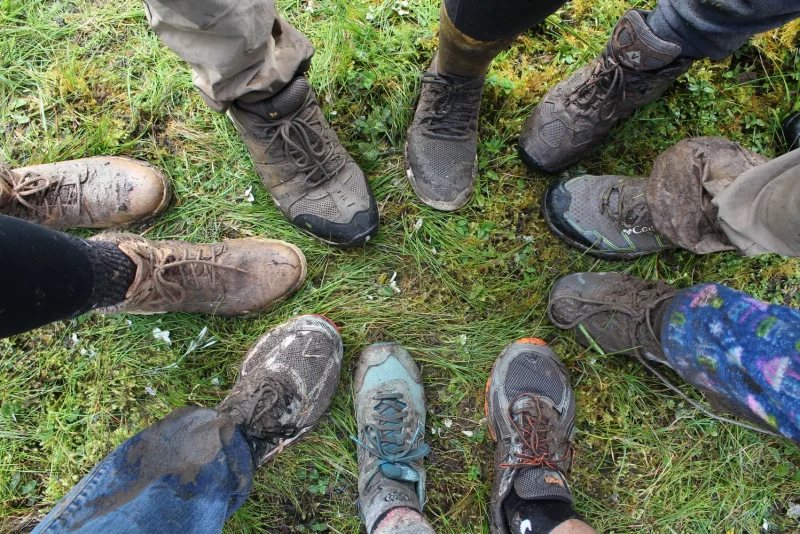
How to Clean Hiking Boots: A Complete Care Guide
Mud, salt and sweat wear boots out fast. Here is how to clean hiking boots by material, dry them safely, fix odor…
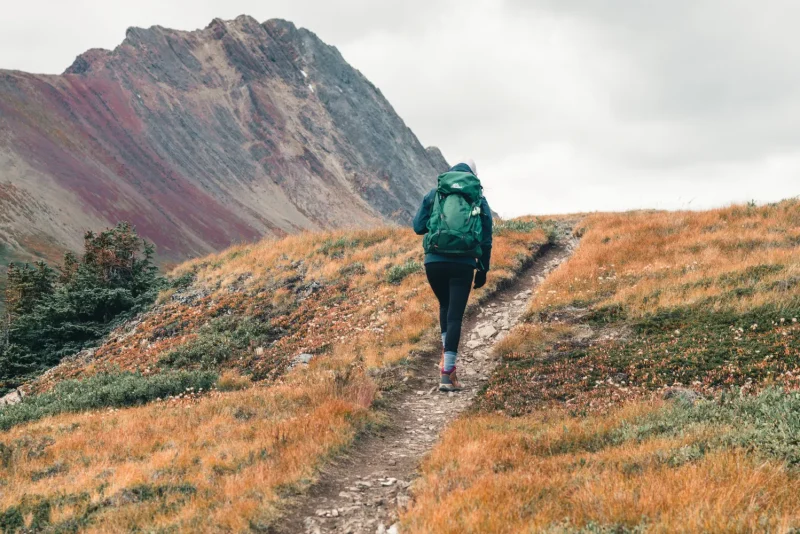
How to Buy Hiking Boots: A Step-by-Step Guide (2026)
Buying hiking boots gets easy when you follow a simple order: match the boot to your hikes, choose materials and waterproofing, then…

Get better at hiking.
Practical hiking tips, gear guides, trail advice and outdoor stories, delivered occasionally. No spam, unsubscribe any time.