Hiking Layering System: A 3-Layer Cold-Weather Guide
The 3-layer hiking system explained — base, mid and shell. How to dress for cold, wind, rain and high-output hiking without overheating.
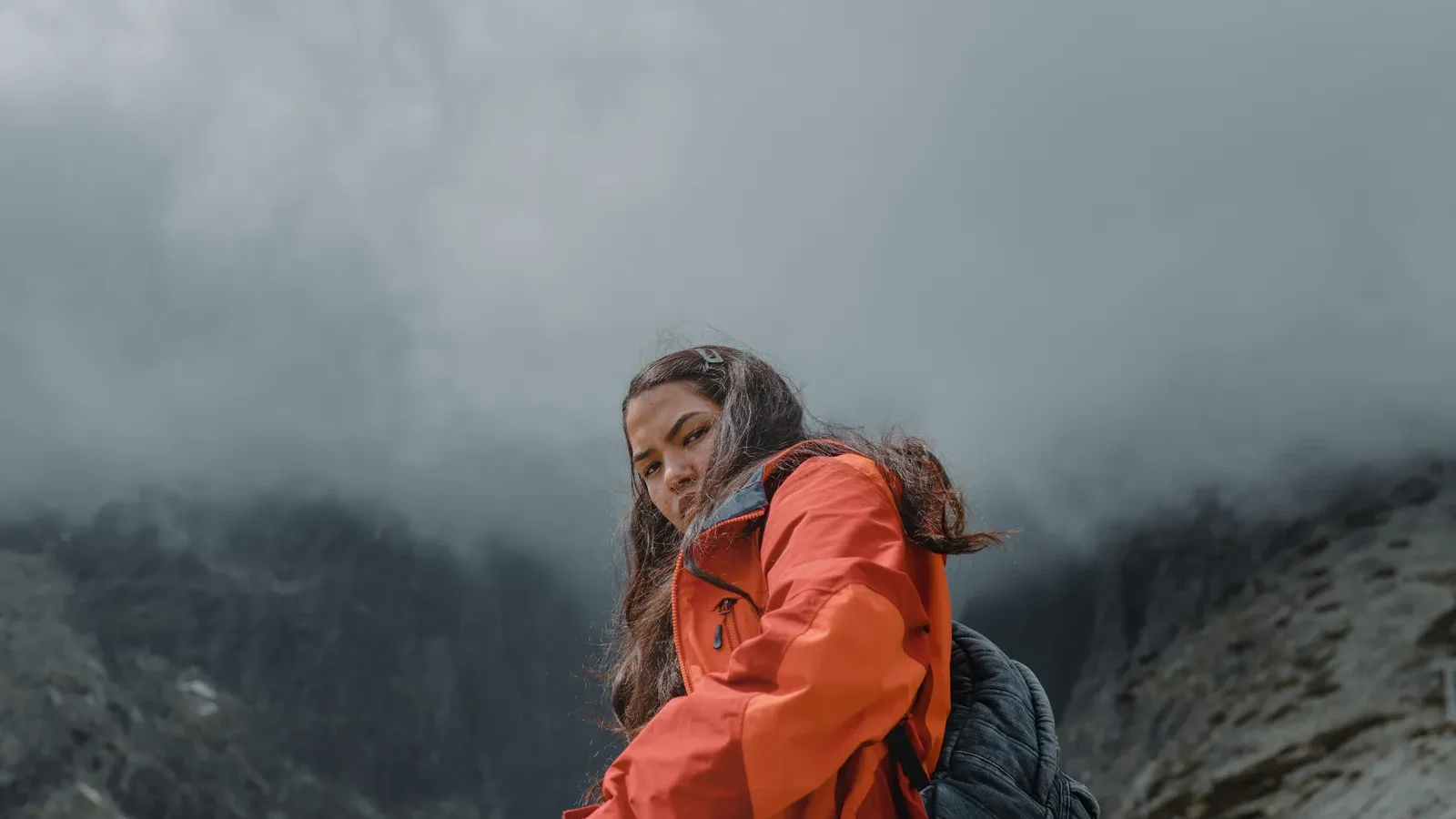
HikingCare is reader-supported. When you buy through links on our site we may earn a commission at no extra cost to you. How we choose what to recommend.
The 3-layer hiking system — base, midlayer, shell — solves the single hardest clothing problem in hiking: staying warm at rest without overheating while moving. The trick isn’t buying more gear; it’s knowing which layer to add and remove and when.
Layer 1 — the base layer
The base layer manages moisture. Cotton retains sweat and chills you fast; merino wool and quality synthetics wick sweat away from your skin so it can evaporate.
- Cool conditions: midweight merino long-sleeve.
- Hot conditions: lightweight synthetic tee with a UPF rating.
- Cold conditions: midweight merino top + bottom.
Merino wool base layers on Amazon
Layer 2 — the midlayer (insulation)
The midlayer traps body heat. Choose based on activity intensity and outside temperature, not just temperature alone:
- Active hiking, mild cold: a thin fleece breathes and dries fast.
- Cold but dry: down jacket (most warmth per ounce).
- Cold and wet: synthetic puffy (insulates when wet).
If you only own one midlayer, make it a synthetic puffy — it handles a wider range of conditions. See our down vs synthetic comparison.
Layer 3 — the shell
The shell stops wind and rain. Two shell categories:
- Hardshell: fully waterproof (Gore-Tex or similar). Heavier but storm-ready. Hardshell hiking jackets on Amazon
- Softshell/windshell: wind-resistant, very breathable. Better for dry but windy conditions.
Most hikers benefit from owning both — they cover different weather windows.
Active vs static layering
Here’s the rule new hikers miss: start slightly cold. Within 5 minutes of moving uphill you’ll be warm. Putting on too many layers before you start guarantees you’ll sweat through them.
When you stop for a break or reach the summit, add the puffy before you start shivering — your wet base layer will cool you down fast.
Common mistakes
- Wearing cotton anywhere on a wet or cold hike.
- Skipping the shell because the forecast said sunny.
- Wearing the midlayer while moving uphill.
- Forgetting to pack gloves and a warm hat even for shoulder-season day hikes.
Build your system
Plug your forecast into our Layering System Generator for specific base/mid/shell recommendations tuned to temperature, wind, and activity intensity. For variable conditions, pair it with the Trail Weather Planner.
Frequently asked questions
Wool or synthetic base layer?
Merino wool resists odour and feels warm when damp; synthetics dry faster, cost less and last longer. Many hikers wear synthetic on hot, sweaty days and merino in cool weather or on multi-day trips.
Do I need a hardshell or is a rain jacket enough?
For three-season hiking a lightweight rain jacket with taped seams is enough. A hardshell adds durability, better hoods and more vents for winter, alpine and rough-weather use.
How many layers do I need in winter?
Usually the same three plus a warmer version of each: a heavier base layer, a thicker or doubled mid layer with an insulated jacket for stops, and a shell with pit zips. Add insulated gloves, a warm hat and a neck gaiter.
Read next
 Read nextDown vs Synthetic Insulation: Which is Better for Hiking?
 Read nextWinter Hiking Gear Guide: Sub-Freezing Trail Setup
Plan it with our free tools: Layering System Generator · Trail Weather Planner
You may also like
Best Hardshell Jacket for Hiking in 2026: 6 Top Picks
The best hardshell jacket for hiking blocks rain, wind and snow without soaking you in sweat. Compare six current picks on membranes,…

Tank Tops With Built-In Bra Support for Hiking (2026)
We compared six tank tops with built-in bra support for hiking, and explain honestly when a shelf bra is enough and when…
Best Hiking Pants for Women (2026)
We compared fabric, fit, pockets and sizing on seven current hiking pants for women, including petite, tall, plus and curvy options, using…

Get better at hiking.
Practical hiking tips, gear guides, trail advice and outdoor stories, delivered occasionally. No spam, unsubscribe any time.