Trekking Poles: Are They Worth It?
Trekking poles save knees on descents and add stability on rocky trails — but only if you use them correctly. The honest, science-backed answer.
HikingCare is reader-supported. When you buy through links on our site we may earn a commission at no extra cost to you. How we choose what to recommend.
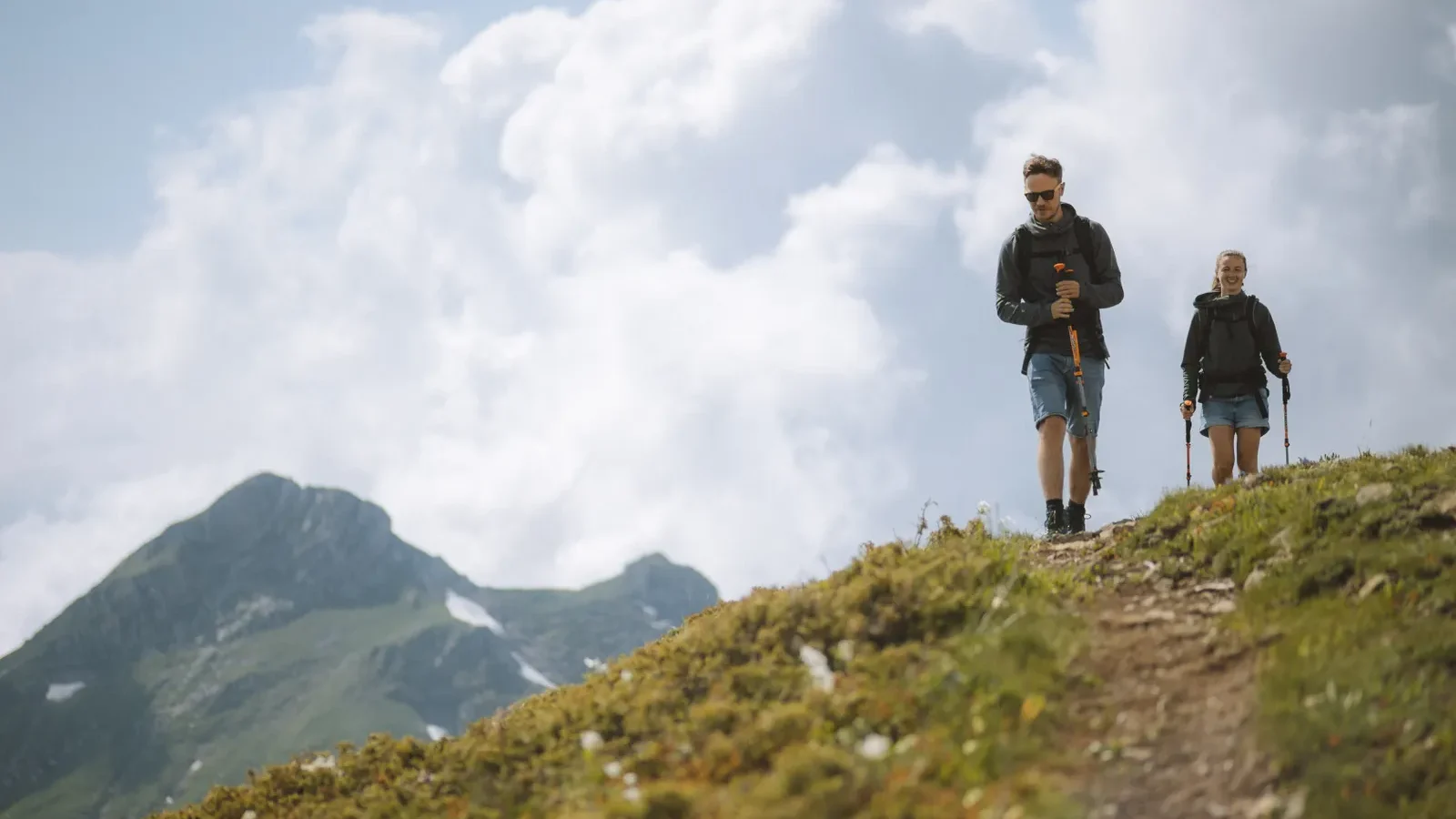
Are trekking poles worth it? Yes — for most hikers, most of the time. Studies show they reduce knee impact by up to 25% on descents, improve uphill efficiency by 4–8%, and dramatically improve balance on rocky or root-covered terrain. But they’re not a silver bullet — using them wrong is worse than not using them at all.
What trekking poles actually do
- Reduce knee impact on descents (the single biggest benefit).
- Distribute the load across more muscle groups uphill.
- Add 4 points of contact for stability on creek crossings, scree, and snow.
- Substitute as tent poles for ultralight trekking-pole shelters.
Carbon vs aluminum poles
The big choice:
- Aluminum: bends instead of snapping under load. Cheaper. Slightly heavier. Best for rocky scrambling.
- Carbon: lighter (saves ~3 oz/pair). Stiffer feel. Snaps if pinched between rocks. Best for moving fast and light. Carbon trekking poles on Amazon
How to size trekking poles
Adjust the pole so your elbow makes a 90° angle when the pole tip is on the ground next to your foot. On steep uphill, shorten them slightly; on descents, lengthen them. Most hikers leave them at one setting and never adjust — which costs them most of the benefit.
Cork vs foam vs rubber grips
Cork molds to your hand and absorbs sweat best — the choice for long days. Foam is light and warm. Rubber is durable but blisters appear in heat. For most hikers we recommend cork.
Technique that matters
Plant the pole slightly behind your forward foot, not in front. The pole should push you forward, not catch you. On descents, plant ahead of your step to take impact before your foot lands.
When to skip poles
Trail runners chasing PRs, technical class 3+ scrambling, and short flat trails are the only times poles are net-negative. Otherwise, they’re worth carrying. Browse trekking poles on Amazon
Build poles into your hiking plan
Trekking poles pair especially well with mountain summit, multi-day and winter trails. Run your next trail through the Trail Difficulty Visualizer — if the difficulty score is over 50, packing poles is almost always the right call.
Frequently asked questions
Do I need one pole or two?
Two for hiking. A single pole helps with balance, but the knee-saving and rhythm benefits come from planting both, especially on long descents and with a pack.
Carbon or aluminium trekking poles?
Aluminium is the sensible default: durable, repairable in the field and cheaper. Carbon saves a few ounces per pair and damps vibration, which ultralight and long-distance hikers appreciate, but a hard impact against rock can crack it.
Are trekking poles allowed everywhere?
Most trails allow them, but some parks ask for rubber tips to protect rock and vegetation, and poles cannot go in aircraft cabin luggage. Check local rules and pack them in checked bags when flying.
Read next
 Read nextBest Hiking Boots in 2026: How to Choose the Right Pair
 Read nextHow to Train for a Mountain Hike
Plan it with our free tools: Hiking Gear Planner · Elevation Gain Calculator
You may also like

Hiking Hydration Systems: Bladders vs Bottles vs Filters
Hiking hydration systems compared — bladders, bottles, filters and combinations. When each works best and how to pick for your trip.

Best GPS Watches for Hiking (2026)
Editor-picked GPS watches for hiking — battery life, offline maps, navigation features and value picks for trail and mountain hikers.

What Is Hiking? A Beginner’s Guide to the Basics
New to hiking? Here is a simple, beginner-friendly definition of hiking, how it compares to walking and trekking, the real benefits, and…

Get better at hiking.
Practical hiking tips, gear guides, trail advice and outdoor stories, delivered occasionally. No spam, unsubscribe any time.