Mountain Hiking Safety: Weather, Altitude & Turn-Around Times
Mountain hiking safety essentials — weather windows, altitude awareness, turn-around times and the gear that keeps alpine hikes safe.
HikingCare is reader-supported. When you buy through links on our site we may earn a commission at no extra cost to you. How we choose what to recommend.
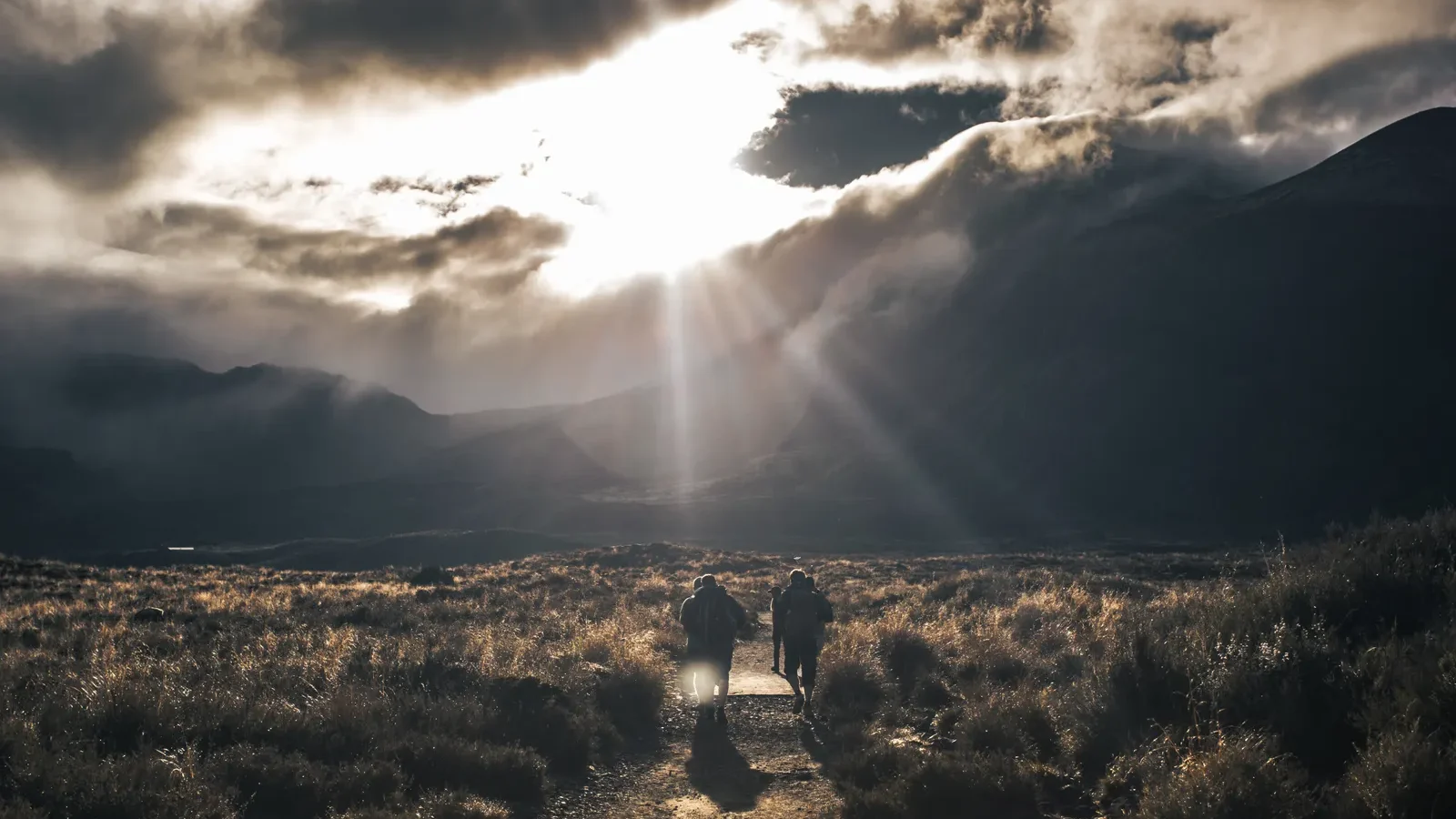
Mountain hikes go wrong in patterns. Weather builds faster than forecast. Hikers underestimate elevation gain. Turn-around times slip “just a few minutes” each break. Knowing these patterns is the single biggest safety upgrade you can make on alpine trails.
Weather windows
In summer mountain ranges, thunderstorms typically build between 11 am and 4 pm. If your summit window puts you on an exposed ridge during that period, change your start time — not your route.
- Pre-dawn start, summit by 10–11 am.
- Off exposed ridges by noon.
- Back below treeline by 2 pm.
Plan ahead with our Trail Weather Planner.
Altitude
Most healthy adults handle 8,000–10,000 ft fine after a 24-hour acclimatization. Above 10,000 ft, expect:
- Heart rate elevated by 10–20% at the same effort.
- Pace dropping 15–25%.
- Hydration requirements rising 25–50% (the dry air pulls more water out of you).
- Sun exposure increasing significantly.
Turn-around time discipline
The strongest mountain-hiking habit you can build: set a turn-around time before you start, and honor it even if you’re 200 ft from the summit. The view will be there next season. The lightning won’t wait.
Rule of thumb: if it took you 4 hours to go up, plan 2.5–3 hours to come down — descending mountain terrain takes longer than flat-terrain math suggests.
Exposure
Exposed ridges are the highest-risk terrain in lightning, wind and storm. If a storm builds:
- Descend below treeline immediately.
- Avoid wide-open ridges and isolated tall objects.
- If caught, spread out from companions (one strike doesn’t take everyone).
Pack the mountain safety extras
- Hardshell jacket and hardshell pants. Hardshell jackets on Amazon
- Emergency bivy.
- Satellite messenger (a PLB or InReach-style device).
- Paper topographic map + compass — phones die in the cold.
- Extra calories.
Tell someone your plan
File a trip plan with someone at home: trailhead, route, expected return time. Add a “if I’m not back by X, call park dispatch” line. This single step has resolved more mountain rescues quickly than any piece of gear.
Train for the trail
Most mountain accidents involve fitness failure, not gear failure. See our guide to training for mountain hikes and use our Hiking Fitness Tracker to build up cumulative elevation in the months before your big trip.
Frequently asked questions
What is a turn-around time and how do I set one?
It is the time at which you start heading down no matter where you are. Work backwards from when you need to be below treeline or back at the car, subtract a generous descent time and a safety margin, and write the result down before you set off.
What should I do if a storm catches me above treeline?
Get lower fast, avoid ridgelines, summits and lone trees, spread out from your companions, and crouch on your pack with your feet together if lightning is very close. Move on as soon as the worst passes; the goal is to reach shelter, not to wait it out in the open.
How do I check the weather for a mountain hike?
Use a mountain-specific forecast for the summit elevation, not the nearest town, check it again the morning you leave, and treat any mention of afternoon storms, high winds or a freezing level near your route as a reason to start earlier or choose a lower objective.
Read next
 Read nextHiking Safety: The 10 Essentials Every Hiker Needs
 Read nextHow to Train for a Mountain Hike
Plan it with our free tools: Trail Weather Planner · Hiking Route Planner
You may also like
What Is Hiking? A Beginner’s Guide to the Basics
New to hiking? Here is a simple, beginner-friendly definition of hiking, how it compares to walking and trekking, the real benefits, and…
How Long Does It Take to Hike Angels Landing? (2026)
Most hikers need 3 to 5 hours round trip for Angels Landing, longer in summer heat. Here are realistic time ranges, the…
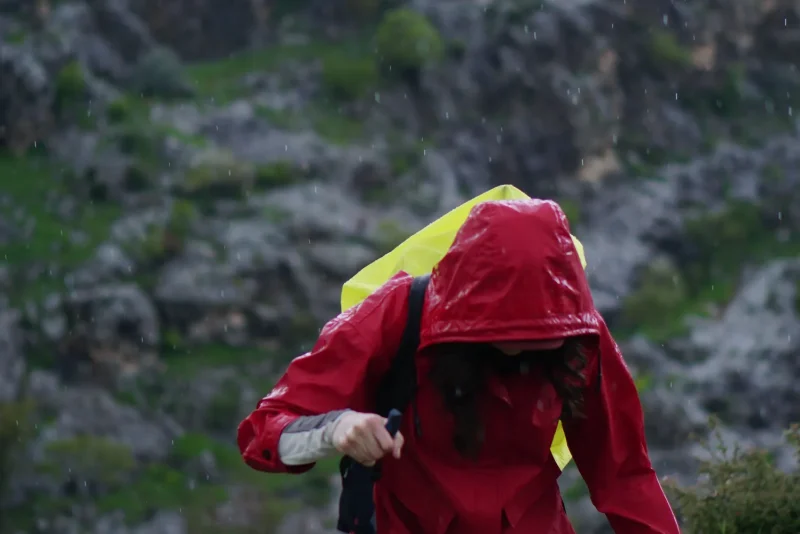
Best Hardshell Jacket for Hiking in 2026: 6 Top Picks
The best hardshell jacket for hiking blocks rain, wind and snow without soaking you in sweat. Compare six current picks on membranes,…

Get better at hiking.
Practical hiking tips, gear guides, trail advice and outdoor stories, delivered occasionally. No spam, unsubscribe any time.