Hiking Gear Guides
Buying guides for boots, packs, tents, layers, navigation and hydration — what matters in each category, who it suits and where to save.
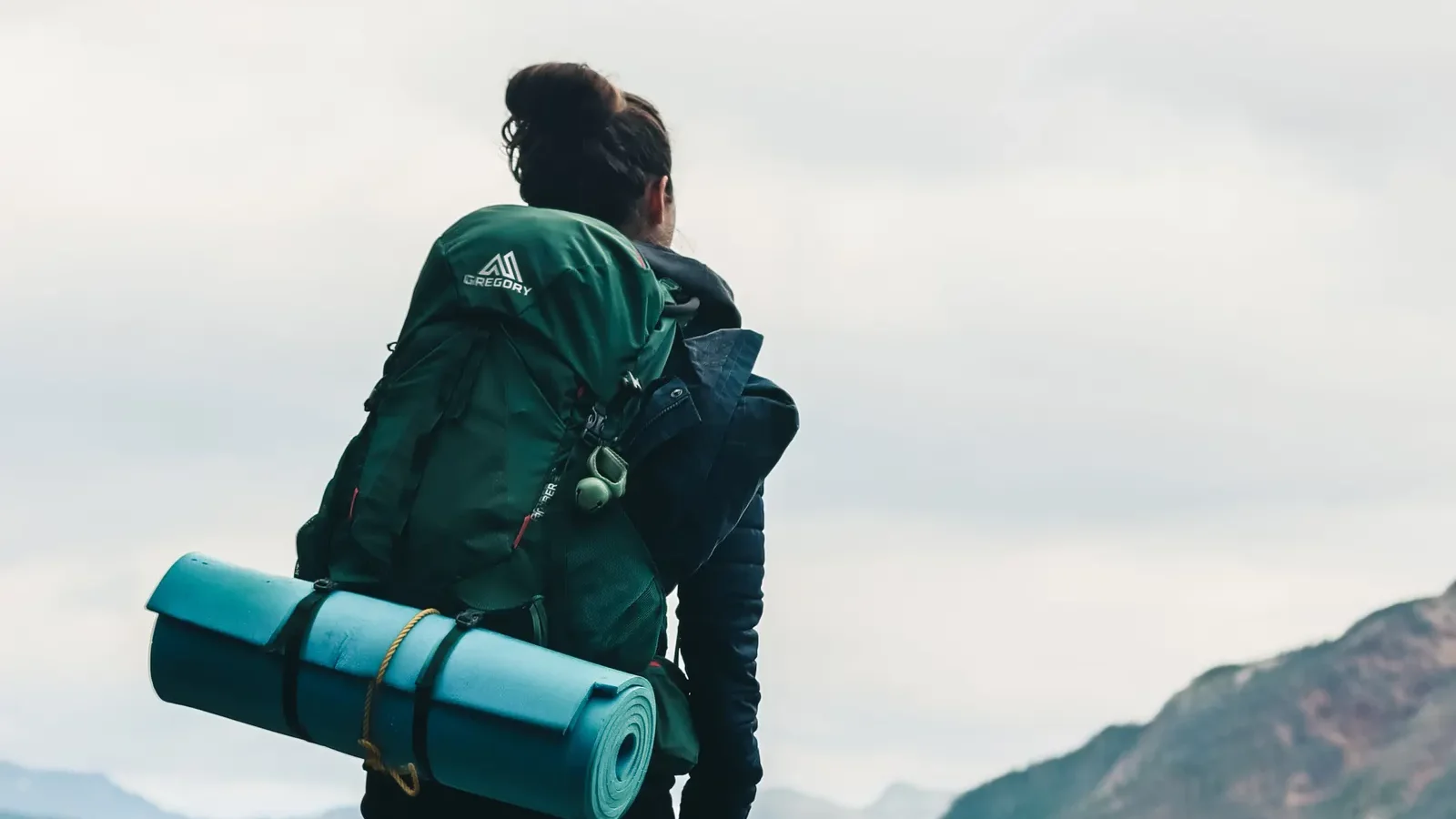
Gear topics
 Hiking Boots
Boots, hiking shoes and trail runners: fit, grip, waterproofing and which style suits your trails.
3 guides
Hiking Boots
Boots, hiking shoes and trail runners: fit, grip, waterproofing and which style suits your trails.
3 guides
 Hiking Backpacks
Day packs, overnight and multi-day packs, how to size them and how to carry weight comfortably.
2 guides
Hiking Backpacks
Day packs, overnight and multi-day packs, how to size them and how to carry weight comfortably.
2 guides
 Hiking Apparel
Layering systems, jackets, insulation and clothing that works when the weather changes.
2 guides
Hiking Apparel
Layering systems, jackets, insulation and clothing that works when the weather changes.
2 guides
 Ultralight Backpacking
Multi-day hiking with a lighter kit: base weight, shelters, sleep systems and what is worth cutting.
2 guides
Ultralight Backpacking
Multi-day hiking with a lighter kit: base weight, shelters, sleep systems and what is worth cutting.
2 guides
 Hiking Gear
Backpacks, boots, poles, tents, clothing and the essential equipment worth carrying — and what to look for before you buy.
3 guides
Hiking Gear
Backpacks, boots, poles, tents, clothing and the essential equipment worth carrying — and what to look for before you buy.
3 guides
Gear guides
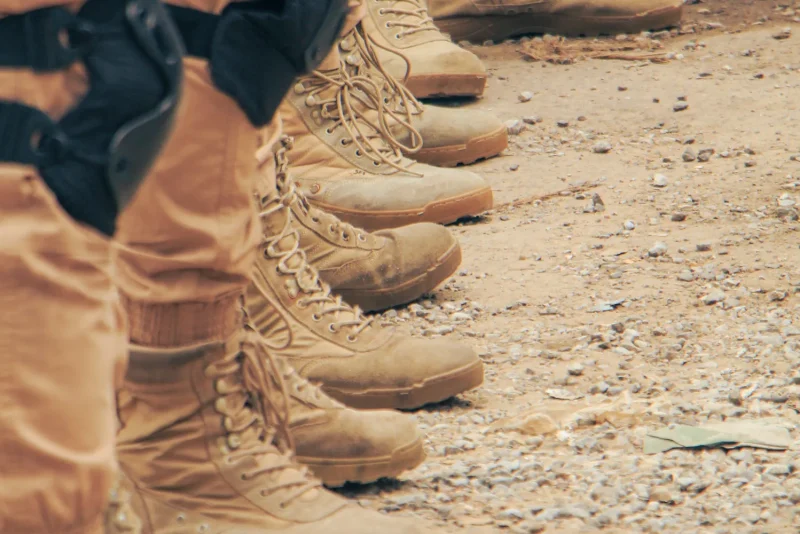
Are Combat Boots Good for Hiking? An Honest Answer (2026)
Combat boots can handle short, rough or cold hikes, but most are heavier, stiffer and hotter than hiking boots. Here’s how they…

Best Hiking Backpacks Under $200: What to Look For
Value-priced hiking backpacks explained — fit, suspension, capacity and the features that matter most when you are spending under $200.

Trail Runners vs Hiking Boots: Which Should You Buy?
Trail runners vs hiking boots — the honest comparison. When to pick each, the durability question, and what most hiking forums get…

Best Ultralight Tents in 2026 (Under 3 lb)
Ultralight tents under 3 lb explained — freestanding, trekking-pole, single-wall and double-wall designs, and which one suits your kind of backpacking.

Hiking Hydration Systems: Bladders vs Bottles vs Filters
Hiking hydration systems compared — bladders, bottles, filters and combinations. When each works best and how to pick for your trip.

Best GPS Watches for Hiking (2026)
Editor-picked GPS watches for hiking — battery life, offline maps, navigation features and value picks for trail and mountain hikers.
What to look for, category by category
Typical weights, who each category suits and the trade-offs to weigh before you buy. Each card links to a current Amazon search so you can compare live prices.

Day-to-multi-day hiking backpack (30–50 L)
- Best for
- Day hikes to weekend trips
- Weight
- Typically 2.5–4 lb
- Terrain
- All terrain
- Conditions
- 3-season
Strengths
- Comfortable load carry with a hip belt
- Ventilated back panels on many models
- Hydration-bladder compatible
Trade-offs
- Fit matters more than features — measure your torso
Look for: an adjustable torso length, a padded hip belt that carries most of the weight, and a capacity that matches your longest planned trip rather than your biggest.

Mid-cut waterproof hiking boot
- Best for
- Mountain & mixed trails
- Weight
- Typically 1.8–2.4 lb per pair
- Terrain
- Rocky / rooted
- Conditions
- Wet & shoulder season
Strengths
- Ankle support under a loaded pack
- Grippy lugged outsoles
- Waterproof membranes keep feet dry
Trade-offs
- Heavier and warmer than trail runners
Look for: a toe box wide enough for downhill swelling, a lugged sole, and a membrane only if you actually hike in wet conditions.

Collapsible trekking poles
- Best for
- Steep climbs & long descents
- Weight
- Typically under 1.2 lb per pair
- Terrain
- Mountain
- Conditions
- All conditions
Strengths
- Reduce knee load on descents
- Extra stability on loose ground and stream crossings
- Pack down onto a backpack
Trade-offs
- Carbon is lighter but less tolerant of knocks than aluminium
Look for: reliable locking mechanisms, cork or foam grips, and a collapsed length that fits your pack.
Two-person ultralight tent
- Best for
- Backpacking
- Weight
- Typically 2–3.5 lb
- Terrain
- Backcountry
- Conditions
- 3-season
Strengths
- Freestanding designs pitch almost anywhere
- Two doors make shared use easier
- Big weight savings over budget tents
Trade-offs
- Thin floors need a groundsheet on rough ground
Look for: packed weight (not just “trail weight”), floor dimensions for two people, and a vestibule big enough for packs.
Value day pack (20–28 L)
- Best for
- Beginner day hikes
- Weight
- Typically around 2 lb
- Terrain
- Easy / moderate
- Conditions
- 3-season
Strengths
- Enough for water, layers, food and first aid
- Often includes a rain cover
- Low cost to get started
Trade-offs
- Thinner straps and hip belts than premium packs
Look for: a hydration sleeve, a sternum strap, and stitching you can inspect in the reviews before buying.

Waterproof hardshell jacket
- Best for
- Alpine / exposed trails
- Weight
- Typically 8–16 oz
- Terrain
- Mountain
- Conditions
- Rain, wind, storms
Strengths
- Waterproof and windproof outer layer
- Adjustable hoods that work over a hat
- Pit zips help dump heat on climbs
Trade-offs
- Crisp fabrics can feel stiff; breathability has limits
Look for: taped seams, a hood you can adjust with gloves on, and enough room for a mid layer underneath.

Insulated winter hiking boot
- Best for
- Snow & winter trails
- Weight
- Typically around 3 lb per pair
- Terrain
- Snow / ice
- Conditions
- Sub-freezing
Strengths
- Insulation keeps toes warm on long cold days
- Waterproof membranes stop slush soaking through
- Stiff soles pair well with microspikes
Trade-offs
- Too warm for mild conditions
Look for: an insulation rating suited to your climate, a gaiter-friendly cuff, and room for thick socks without cramping toes.
Trail running shoe for fast hiking
- Best for
- Fast & light hikers
- Weight
- Typically 1.2–1.6 lb per pair
- Terrain
- Mixed
- Conditions
- Dry to damp, 3-season
Strengths
- Light and quick to dry
- Little or no break-in
- Breathable on hot days
Trade-offs
- Less ankle support and protection under heavy loads
Look for: aggressive lugs for loose ground, a rock plate for stony trails, and a fit that leaves toe room on descents.
HikingCare is reader-supported. When you buy through links on our site we may earn a commission at no extra cost to you. How we choose what to recommend.
Hiking pack types compared
Typical volume, weight and comfortable load for each kind of pack. Ranges are general guidance across the category — check the specification of any pack you are considering.
| Pack type | Volume | Pack weight | Comfortable load | Best for | Trade-off | Compare |
|---|---|---|---|---|---|---|
| Day pack | 18–30 L | 1–2.5 lb | Up to ~15 lb | Day hikes, summer summits, travel | Little room for a shelter or sleeping kit | See options |
| Overnight pack | 35–50 L | 2.5–4 lb | 20–30 lb | Weekend trips, hut-to-hut, winter day hikes | Can feel bulky on short day hikes | See options |
| Multi-day pack | 55–70 L | 3.5–5.5 lb | 30–45 lb | Multi-day backpacking, cold-weather trips, family kit carrying | Heaviest option; easy to overpack | See options |
| Ultralight pack | 40–55 L | 1–2 lb | Best under ~25 lb | Long-distance and thru-hiking with a dialled-in kit | Minimal frame and padding; less durable fabrics on some models | See options |
Curated hiking gear systems.
Eight ready-to-go gear systems matched to specific trail goals — from first day hike to alpine expedition.
HikingCare is reader-supported. When you buy through links on our site we may earn a commission at no extra cost to you. How we choose what to recommend.
Beginner Hiking Starter
Everything a new hiker needs for confident day hikes.
View kit items
Ultralight Backpacking Kit
Sub-20lb base weight, multi-day capable.
View kit items
Winter Hiking Bundle
Cold-weather layering & traction system.
View kit items
Day Hiking Essentials
The reliable day-hike load-out.
View kit items
Mountain Safety Kit
Add-on safety gear for higher-consequence trails.
View kit items
Hiking Navigation Setup
GPS + offline maps + analog backup.
View kit items
Hiking Recovery & Wellness
Recover faster, hike more often.
View kit items
Trail Photography Setup
Lightweight rig for capturing the mountains.
View kit items
Gear guides on HikingCare explain what matters in each category before you spend money: fit, weight, weather protection, durability and value. Recommendations are research-based and we say who each option suits. Links to retailers may earn us a commission at no extra cost to you — see our affiliate disclosure and review methodology.