What to Eat Before a Hike: Timing, Meals and Snacks (2026)
Wondering what to eat before a hike? Get simple, research-based guidance on meal timing, carbs vs protein vs fat, sample meals by hike length, hydration, caffeine and foods to avoid.
HikingCare is reader-supported. When you buy through links on our site we may earn a commission at no extra cost to you. How we choose what to recommend.
🍽️ Quick answer
What to eat before a hike? Eat a carb-rich meal 2 to 4 hours before you start. Add a small carb snack in the last 30 to 60 minutes if you are still hungry. Then carry easy carbs and nibble every hour or so once you are moving.
Keep fat and fiber low right before you set off, since both slow digestion and can upset your stomach on a climb. Drink steadily too. About 17 ounces of fluid 2 hours before you start is a solid baseline.
*Based on sports-nutrition guidance from the Academy of Nutrition and Dietetics and the American College of Sports Medicine (ACSM).
You laced up your boots, filled your bottles and checked the weather. Then you stood in the kitchen wondering what to eat before a hike, and whether leftover pizza counts as trail fuel. You are not alone. Good food before a hike matters almost as much as good boots. Yet most people figure it out through trial and error, usually with a grumbling stomach halfway up a hill.
The right food keeps your energy steady and protects your mood on tough climbs. It also helps you dodge the two big trail wreckers: running out of fuel, and stomach trouble. None of this has to be complicated. In this guide, we walk through simple, research-based rules for timing, what to eat and what to skip. We lean on guidance from the Academy of Nutrition and Dietetics, the American College of Sports Medicine (ACSM) and other reputable sources.
Maybe you are heading out for a one-hour loop. Maybe it is a full day on the trail. Either way, you will leave this guide with a simple plan you can reuse every time you hike.
Here’s what you’ll get from this guide:
- A simple timing plan: what to eat hours before, minutes before and on the trail
- Why carbohydrates are your main fuel, and where protein and fat fit in
- A table of sample meals and snacks by hike length
- Straightforward hydration and caffeine guidance
- Foods and habits that commonly cause stomach trouble on the trail
- Notes for hikers managing diabetes or another health condition
The Short Answer: Eat Early, Snack Light, Then Graze on the Trail
The simplest way to think about what to eat before a hike is in three stages. First, a real meal built around carbohydrates, eaten 2 to 4 hours before you start. That gives your stomach time to empty. Second, a small, easy-to-digest carb snack in the 30 to 60 minutes before you set off. Eat this only if you are still hungry or your first meal was small. Third, carry small amounts of food and eat on a schedule once you are hiking. Do not wait until you suddenly feel hungry.
This pattern comes from mainstream sports-nutrition guidance, not from any single hiking expert. The Academy of Nutrition and Dietetics recommends eating roughly 1 to 4 hours before exercise. Exactly how long depends on how your body handles food close to activity. A joint position statement from the Academy, Dietitians of Canada and the American College of Sports Medicine (ACSM) adds a useful rule of thumb. For exercise lasting longer than about an hour, aim for 1 to 4 grams of carbohydrate per kilogram of body weight in the hours beforehand. A 70-kilogram, or about 154-pound, hiker might eat somewhere between 70 and 280 grams of carbs before a long day out. Eat toward the higher end of that range the further ahead of time you eat.
You do not need a perfect meal plan. You need a full tank of carbs, a calm stomach and a snack within reach.
Once you are moving, the goal shifts from one big meal to a steady trickle of small snacks. For any hike longer than about an hour, that trickle matters more than anything you ate that morning. We cover exactly how to build that trickle in the sections below, along with a full hiking food guide for planning meals across a whole trip.
When to Eat: Before, Right Before and On the Trail
Timing is where most of the confusion about pre-hike food comes from. The truth is that your body needs different things at different points, and mixing them up is what causes an upset stomach or a mid-morning energy crash.
2 to 4 hours before: your pre-hike meal
This is your main fueling window. Eat a real meal built mostly around carbohydrates, with a moderate amount of protein and only a little fat. Oatmeal with fruit, a bagel with a thin layer of nut butter, or eggs with toast and a banana all work well. Giving your body 2 to 4 hours means most of that food has cleared your stomach before you start climbing. Blood flow can then go to your legs instead of your gut.
20 to 60 minutes before: a light top-up snack
If your first meal was small, or you have a long drive to the trailhead, a light snack closer to start time helps. The Academy of Nutrition and Dietetics notes that liquids digest faster than solid food. If you have less than 30 minutes, try a smoothie, a sports drink or even a glass of milk instead. If you have closer to an hour, a small banana, a handful of crackers or a few dates are easy, low-fiber options.
On the trail: carry carbs and eat on a schedule
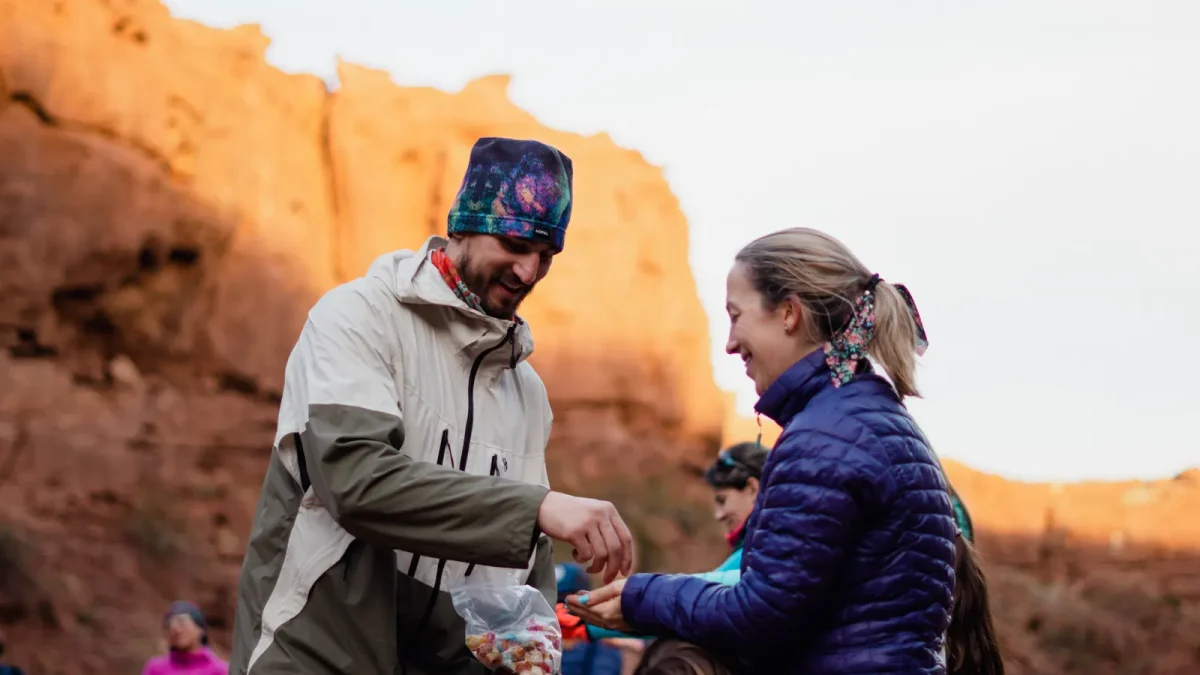
Once you are hiking, treat food like a scheduled task, not an emergency response. Set a reminder, or simply plan to snack every 45 to 60 minutes on hikes longer than about 90 minutes. Sports-nutrition research generally puts the ceiling for how much carbohydrate your gut can absorb during exercise at around 30 to 60 grams per hour. That is roughly one energy bar, two to three dates, or a big handful of trail mix. Eating past that ceiling rarely helps and can upset your stomach. Little and often beats one huge snack.
🧮 The simple carb-timing rule
For a hike over about an hour, aim for roughly 1 to 4 grams of carbohydrate per kilogram of body weight in the hours before you start. Eat earlier if you are having a bigger meal, and closer to start time if it is a small one. Once you are moving, aim for about 30 to 60 grams of carbs per hour if you are out for more than 90 minutes.
Carbs, Protein and Fat: Getting the Balance Right
Hikers sometimes treat all food as equal, but your three main macronutrients play very different roles before and during exercise. Understanding what each one does makes it much easier to build a plate that works with your body instead of against it.
Carbohydrates: your main fuel
Carbohydrates are broken down into glucose, which your muscles and brain use directly for energy. The Academy of Nutrition and Dietetics describes carbs simply as fuel for your engine. That is exactly why every meal and snack in this guide leans on carbs first: bread, oats, rice, potatoes, fruit and starchy vegetables. On a hike, steady carb intake helps you avoid the sudden, heavy-legged, foggy-headed feeling hikers often call bonking.
Protein: less fuel, more repair
Protein is not a major fuel source during exercise, but it still earns its place on your plate. Pairing carbs with a little protein before you exercise can help steady your blood sugar and support muscle repair afterward. Eggs, Greek yogurt, milk, nut butter and lean meat are all solid options. The key word is “a little.” A huge steak dinner the night before a hike is fine, but skip a heavy, protein-dense meal in the hour before you start. It sits in your stomach and competes with your legs for blood flow.
Fat: useful, but not right before you climb
Dietary fat is calorie-dense. It gives you long, steady energy over a full day on trail, which is one reason nut butters and cheese show up so often in backpacking food. The catch is timing. Fat slows digestion, so a large amount of it in the hour or two before a hard climb can leave you feeling sluggish or queasy. Save the bigger servings of fat for meals well before you start, or for snacks later in the day once your pace has settled down.
💡 Pair carbs with a little protein or fat when you have time
If you are eating 3 or more hours before a hike, adding some protein and healthy fat to your carbs helps you feel full longer without upsetting your stomach. The closer you get to start time, the more you should lean on plain carbs alone.
Why Grease and Fiber Can Backfire Before a Hard Effort
Two ingredients cause more pre-hike stomach trouble than anything else: fat and fiber. Both are perfectly healthy parts of a normal diet, and neither is “bad.” The problem is purely about timing.
Fat and fiber both slow down how quickly food leaves your stomach. Research indexed by the National Institutes of Health links high-fat and high-fiber foods, along with large amounts of fructose, to a greater risk of exercise-related stomach trouble. Common symptoms include cramping, bloating, nausea and a sudden need to find a bathroom. That risk climbs further when food is eaten close to a hard, jarring effort. Hiking, with its constant uphill and downhill motion, counts as a fairly jarring effort on your gut.
This does not mean fiber-rich foods like beans, bran cereal or a big raw salad are off the menu forever. It means they belong at dinner the night before, not at breakfast on hike morning, and definitely not in your trail snack bag. The same goes for very greasy foods like fried breakfasts, heavy cream sauces or a large amount of cheese eaten right before you start climbing.
⚠️ Watch for these warning signs
Cramping, nausea, a heavy or bloated stomach, and sudden fatigue partway up a climb are common warning signs. They often mean a meal was too high in fat or fiber, too large, or eaten too close to start time. If this happens often, try a smaller, plainer, carb-focused meal 2 to 3 hours before your next hike and see if it helps.
If you already know your stomach is sensitive, treat your pre-hike meal like a dress rehearsal. Test it on a normal day, or on a short local walk, before you rely on it for a longer hike. That is the same reason you break in a new pair of boots before a big trip.
Sample Meals and Snacks, by Hike Length
Exactly how much and what to eat changes with how long you will be out. A 45-minute nature walk and a 9-hour ridge traverse are not the same fueling problem. Use the table below as a flexible starting point. Then adjust it for your own appetite and the weather.
| Hike length | 2–4 hours before | 20–60 minutes before | Carry on the trail |
|---|---|---|---|
| Under 90 minutes, easy pace | Normal meal; no special prep needed | Optional; a banana or a few crackers if hungry | Water; a small snack is a nice-to-have, not a must |
| Half-day (3–5 hours) | Typical Oatmeal with fruit, or a bagel with a thin spread of nut butter | A banana, dates or a granola bar | 1–2 carb snacks (bar, fruit, pretzels) plus water or an electrolyte drink |
| Full day (6–9 hours) | Bigger carb meal: eggs, toast, oats or rice with fruit | A carb-heavy snack such as a bagel half or a few dates | Snack every 45–60 minutes: bars, dried fruit, trail mix, a sandwich at lunch |
| Multi-day backpacking | Large carb-and-protein dinner the night before, plus a full breakfast | Same as a full-day hike | Steady grazing all day, plus a carb-and-protein dinner each night to refill energy stores |
Notice the pattern: the longer the hike, the more the table shifts from one meal to constant, small snacking. On multi-day trips, dinner matters almost as much as breakfast, since it restocks the energy stores you will draw on the next morning. Our full hiking food guide covers multi-day meal planning and resupply in much more detail.
For a rough sense of how many total calories you will burn, and therefore how much food to pack, see how many calories you burn hiking. Matching your food to your real energy output, rather than guessing, is one of the simplest ways to avoid both bonking and an overloaded pack.
Hydration: How Much and When
Food and water work together. Being underhydrated slows digestion. It also makes you feel hungrier and more tired than you actually are. Overeating without enough water has the opposite problem: it can leave you feeling heavy and sluggish.
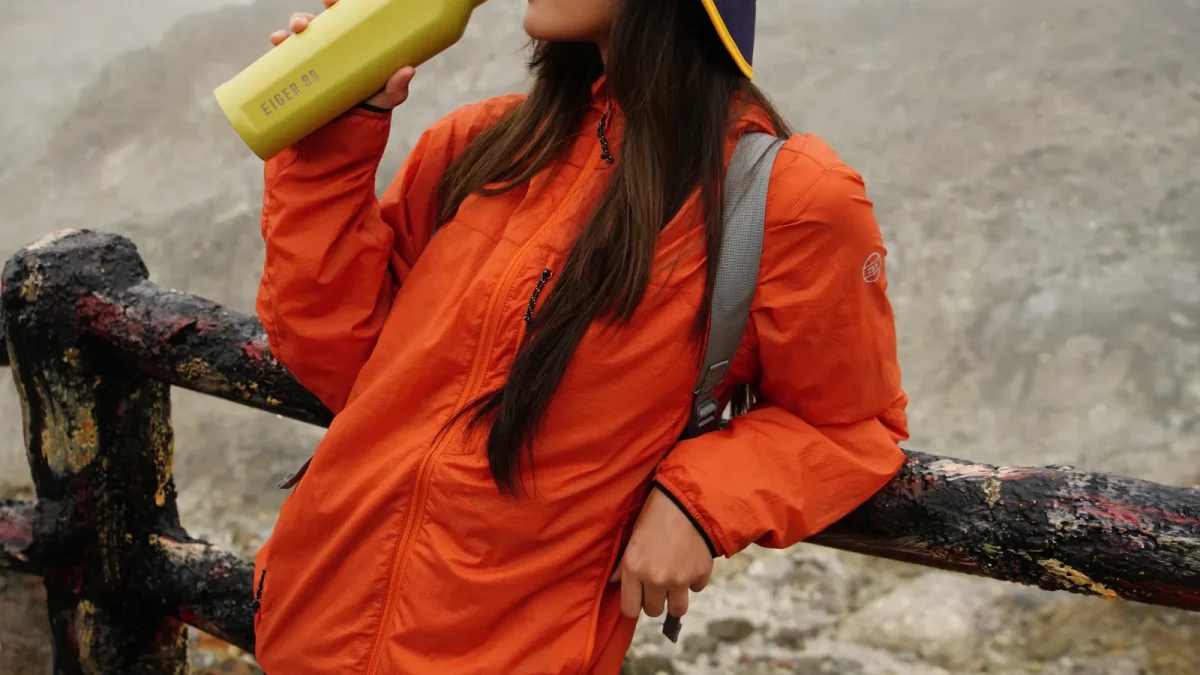
ACSM’s position stand on exercise and fluid replacement suggests drinking about 500 milliliters, or roughly 17 ounces, of fluid about 2 hours before exercise. That gives your body time to absorb what it needs and pass any extra before you start moving. During exercise, the same guidance points toward drinking at regular intervals to roughly match your sweat losses, rather than waiting until you feel thirsty.
| Hike length | Before you start | During the hike |
|---|---|---|
| Under 90 minutes | About 17 oz, 2 hours ahead | Sip regularly; plain water is usually enough |
| Half-day to full-day | Typical About 17 oz, 2 hours ahead | Small sips every 15–20 minutes; add electrolytes in heat or on longer days |
| Hot weather or heavy pack | Same as above, plus extra at breakfast | More frequent sips; electrolytes become more important as you sweat more |
Exactly how many total ounces you need for your specific hike depends on distance, heat, pack weight and your own sweat rate. Rather than repeat all of that math here, use our Water & Nutrition Calculator to get a personalized number. For the full breakdown by trip length and temperature, read how much water to bring hiking.
Coffee and Caffeine Before a Hike
Plenty of hikers would not dream of starting a day without coffee, and the research is fairly reassuring. Sports-nutrition studies indexed by the National Institutes of Health generally place effective caffeine doses for endurance exercise between about 3 and 6 milligrams per kilogram of body weight. Most studies have people take it 30 to 90 minutes before activity. For most people, that works out to roughly one to two regular cups of coffee.
A common worry is that caffeine dehydrates you. Current research does not support that for people who drink it regularly. A National Institutes of Health-indexed study found no meaningful difference in hydration between people who drank moderate daily coffee and those who drank the same volume of water. In other words, your morning coffee still counts toward your fluid intake.
✨ Keep it to your normal amount
The best caffeine strategy is usually the boring one. Stick to roughly what you already drink most days. A much bigger dose than you are used to is more likely to cause jitters, a racing heart or a stomach ache. That risk goes up on an empty stomach.
If you are sensitive to caffeine, or you get an upset stomach from coffee at home, the trail is not the place to experiment. Do not try a double espresso for the first time on hike day. Test any change to your caffeine routine at home, on a normal day, before you bring it along on a longer hike.
Foods and Habits to Avoid Before a Hike
Most pre-hike food mistakes come down to a short list of repeat offenders. Knowing them ahead of time means you can plan around them instead of learning the hard way on the trail.
- Very large meals right before you start. A big plate needs a lot of blood flow for digestion, competing with your legs for the same resources.
- High-fat, greasy food close to start time. Fried food, heavy cream sauces and large amounts of cheese digest slowly and can sit heavily on a climb.
- High-fiber food right before or during a hike. Beans, bran and large raw salads are healthy at dinner but are common triggers for cramping and bathroom urgency close to exercise.
- New or untested foods. Save the new energy bar flavor or unfamiliar dish for a day when you are not depending on your stomach behaving.
- Skipping food altogether. Heading out on an empty stomach to “save time” often backfires as low energy and a bad mood a couple of hours in.
- Alcohol the night before a big effort. It disrupts sleep and hydration, both of which affect how you feel on the trail the next day.
If your stomach still feels off despite following this list, look at portion size next. Even a “safe” carb-based meal can cause discomfort if you eat far more than usual right before a hard climb.
Eating During and After Your Hike
What you eat does not stop mattering once you cross the trailhead sign. On any hike longer than about an hour, plan to keep eating small amounts on a schedule. A snack every 45 to 60 minutes works well for most people. Do not wait until you feel hungry or tired to eat. Hunger and fatigue are often signs that your fuel tank is already low, not an early warning.
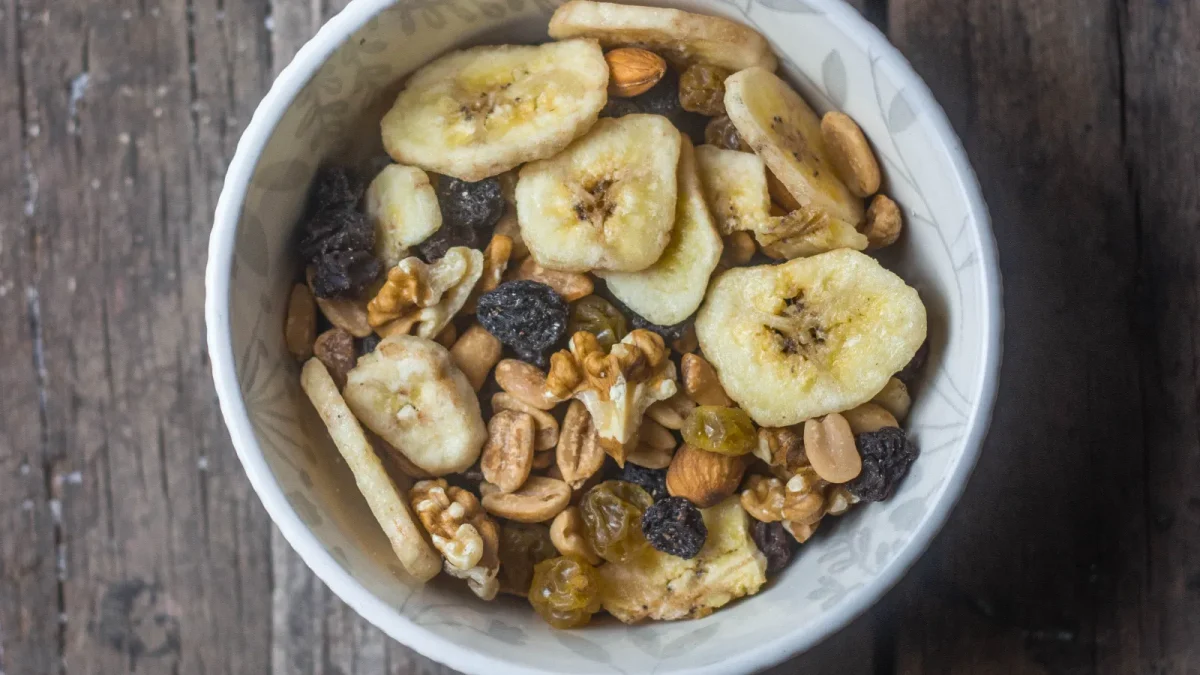
Good on-trail choices share a few features. They are mostly carbohydrate, easy to eat one-handed, and do not need much chewing when you are out of breath. They also hold up well in a warm pocket or pack. Dried fruit, pretzels, energy bars, trail mix and simple sandwiches all fit the bill. Save richer, higher-fat foods like a full block of cheese or a bag of chips for longer rest breaks, when you have time to sit and digest.
After you finish, your body is primed to restock the energy you used. Eat a meal or snack with both carbohydrate and protein within a couple of hours of finishing. A sandwich, a smoothie with protein powder, or eggs and toast all work well. This helps refill muscle energy stores and supports recovery, which matters even more if you plan to hike again the next day.
Hiking With Diabetes or Another Health Condition
Hiking is a great form of activity for many people managing diabetes. Regular movement can help the body use insulin more effectively. But exercise also changes blood sugar in ways that are worth planning around.
The Centers for Disease Control and Prevention (CDC) notes that people with diabetes are generally advised not to start exercise with a blood sugar level below 90 mg/dL or above 250 mg/dL. Anyone taking insulin or medication that can cause low blood sugar should also check their levels 15 to 30 minutes before exercising. The CDC also recommends hiking with a partner when possible, and letting someone know your route and expected return time. This is good practice for every hiker, but especially useful if you manage a health condition on trail.
📋 This is general information, not medical advice
Nothing in this guide replaces advice from your own doctor or a registered dietitian. If you manage diabetes or another condition affected by exercise, food or hydration, follow your care team’s plan for monitoring, snacks and medication around activity. Carry fast-acting carbohydrate too, in case your blood sugar drops on trail.
The same caution applies to any other condition that affects digestion, blood pressure or energy, from irritable bowel syndrome to heart conditions. The general rules in this guide tend to line up with most medical advice, like favoring carbs and avoiding heavy fat and fiber right before you move. Your own provider’s guidance always comes first.
Trail Food and Hydration Picks
Good pre-hike food does not require special products, but a few widely available items make timing and portion control easier on the trail. We picked these based on published nutrition facts and ingredient labels, matched to the timing and fueling ideas covered above. Nobody paid for a spot on this list.
💧 Replaces what you sweat out
Nuun
Nuun Sport Electrolyte Tablets, Mixed Flavors (6-Pack)
Fizzing tablets that turn plain water into an electrolyte drink in a couple of minutes.
Food supplies the calories, but sodium and other electrolytes help you actually hold onto the fluid you drink. Each tablet dissolves in 16 fluid ounces of water. That makes it an easy way to add electrolytes on a half-day or full-day hike without carrying a heavy sports drink.
- Replaces sodium, potassium, magnesium, calcium and chloride lost in sweat
- One tablet dissolves in 16 fl oz of water in a couple of minutes
- Gluten-free and vegan
- Slim tubes fit in a pack pocket or bottle loop
| Servings | 60 total (6 tubes of 10) |
|---|---|
| Mix ratio | 1 tablet per 16 fl oz water |
| Sodium | About 300 mg per tablet |
| Diet | Gluten-free, vegan |
Best for: half-day and full-day hikes, hot weather, or anyone whose sweat leaves visible salt lines on a hat or shirt. It replaces electrolytes, not calories, so pair it with real food.
🛒 Buy from Amazon Check today’s price and flavors on Amazon.
🧇 Quick trail carbs
Honey Stinger
Honey Stinger Organic Waffles, Variety Pack (12 Count)
A thin, soft waffle built around simple carbohydrate for an on-trail top-up.
These waffles are close to a textbook on-trail carb snack. They are mostly carbohydrate, easy to eat while you keep walking, and small enough to finish in a minute or two. The variety pack mixes honey, vanilla and chocolate flavors, which helps on longer days when plain energy bars start to feel repetitive.
- About 150 calories and roughly 19 g of carbohydrate per waffle
- Thin, soft texture is easy to chew while you keep moving
- Individually wrapped for clean trail pockets
- Organic ingredients across all three flavors
| Calories | About 150 per waffle |
|---|---|
| Carbohydrate | About 19 g per waffle |
| Count | 12 individually wrapped waffles |
| Contains | Wheat (not gluten-free) |
Best for: a quick, mostly-carb top-up every 45 to 60 minutes on a half-day or full-day hike. It contains wheat, so gluten-free hikers should look for Honey Stinger’s separate gluten-free waffle line instead.
🛒 Buy from Amazon Check today’s price on Amazon.
🥜 Carbs, plus protein and fat
Justin’s
Justin’s Classic Almond Butter Squeeze Packs (10-Pack)
Single-serving almond butter packets with a short, simple ingredient list.
A squeeze pack of almond butter is a tidy way to add protein and healthy fat to a carb-based snack. Try it squeezed onto a bagel, a banana or a few crackers. It is fat-heavy, so it works best paired with a carb like fruit or a waffle. Save it from a snack eaten alone right at the trailhead.
- Two ingredients: dry-roasted almonds and palm oil
- About 7 g of protein per 1.15 oz packet
- No spoon needed; squeeze straight onto food or into your mouth
- Gluten-free and non-GMO
| Serving size | 1.15 oz (1 packet) |
|---|---|
| Protein | About 7 g per packet |
| Ingredients | Dry-roasted almonds, palm oil |
| Diet | Gluten-free, non-GMO |
Best for: pairing with a carb snack earlier in the day, or at a longer lunch break. Because it is high in fat, save it for well before a hard climb rather than as your only snack right before you set off.
🛒 Buy from Amazon Check today’s price on Amazon.
Prices and stock change often, so check each listing before you buy. As an Amazon Associate, HikingCare earns from qualifying purchases, at no extra cost to you.
Common Mistakes That Cause Trouble on the Trail
Almost every pre-hike food problem traces back to one of a handful of habits. Here is how to spot and fix each one.
1. Eating a huge meal right before you start
❌ The mistake: a large breakfast eaten 15 minutes before you hit the trailhead.
✅ The fix: eat your main meal 2 to 4 hours ahead, and keep anything closer to start time small and carb-focused.
2. Skipping food to “save time”
❌ The mistake: heading out on an empty stomach because you are running late.
✅ The fix: keep a fast, low-fiber option like a banana or a few crackers by the door for exactly these mornings.
3. Loading up on sugar with nothing else
❌ The mistake: relying only on candy or soda for hours of energy.
✅ The fix: mix in some starchier, longer-lasting carbs like pretzels, a bagel or dried fruit alongside anything sugary.
4. Forgetting to eat once you are moving
❌ The mistake: waiting until you feel hungry or tired before you snack.
✅ The fix: snack on a schedule, roughly every 45 to 60 minutes on hikes over 90 minutes, whether you feel hungry yet or not.
5. Drinking too little around your snacks
❌ The mistake: eating dry, salty snacks without enough water to go with them.
✅ The fix: pair each snack stop with a few sips of water, and add electrolytes on hot or long days.
Pro Tips for Eating Well on the Trail
These small habits come up again and again in sports-nutrition guidance. None of them require special products, and most take only a few minutes to build into your routine.
- Practice your pre-hike meal at home first. Test a new breakfast on a normal morning before you rely on it for a big hike.
- Pre-portion snacks the night before. Splitting trail mix or bars into smaller bags makes it easier to snack on a schedule instead of all at once.
- Set a repeating timer. A phone alarm every 45 to 60 minutes is a simple way to remember to eat before you feel hungry.
- Keep one “just in case” high-carb snack at the very bottom of your pack. It is there for the day your main food runs low or takes longer than planned.
- Match your fat and fiber to your pace. Save the richer foods for lunch breaks and easier stretches, not steep climbs.
- Write down what worked. A quick note after each hike about which foods sat well helps you build a personal system over time.
- Pack a backup breakfast. Keep a spare low-fiber option, like a banana or a few crackers, for mornings when you are running late or feeling off.
- Rotate your snacks. Eating the exact same bar every hike can get old fast, and you are more likely to actually eat something you still enjoy.
The best trail food is not the fanciest bar on the shelf. It is the plain, carb-based snack you will actually eat on schedule, hike after hike.
Real-World Examples: Three Common Fueling Patterns
These are composite examples built from patterns hikers commonly share in trail journals, reviews and online communities. They are not individual testimonials, but they show how the timing rules in this guide play out in practice.
What these three have in common: each one matched their food to their actual schedule instead of following a rigid rule. The early starter built in a backup snack for a shaky morning stomach. The evening hiker leaned on a small, fast-digesting snack instead of skipping food altogether. The backpacker treated dinner as part of fueling the next day, not just the current one. Your own best pattern will look a little different, and that is fine.
Frequently Asked Questions
How long before a hike should I eat a full meal?
About 2 to 4 hours is a good general target, based on Academy of Nutrition and Dietetics guidance. That gives your stomach time to mostly empty before you start moving, so blood flow can go to your legs instead of digestion.
What should I eat right before I start hiking?
Keep it small, plain and carb-focused. A banana, a few crackers or a small handful of dried fruit are good choices in the 20 to 60 minutes before you set off. If you have less than 30 minutes, a liquid like a smoothie or sports drink often sits better than solid food.
What is the best snack to carry on the trail?
Anything mostly carbohydrate that is easy to eat one-handed and holds up in a warm pocket, such as energy bars, dried fruit, pretzels or trail mix. Sports-nutrition guidance generally suggests around 30 to 60 grams of carbs per hour on hikes longer than about 90 minutes.
Should I eat protein or carbs before a hike?
Lead with carbs, since they are your body’s main fuel during exercise. Adding a little protein is fine and can help you feel full longer, but a heavy, protein-dense meal right before you start can slow digestion and sit uncomfortably on a climb.
Is coffee okay before a hike?
For most people who already drink it regularly, yes. Research indexed by the National Institutes of Health has not found meaningful dehydration from moderate caffeine intake. A normal cup or two is well within the doses studied for endurance activity. Avoid a much bigger dose than usual, especially on an empty stomach.
What if I have diabetes or another health condition?
Follow your own doctor’s or dietitian’s plan for monitoring and snacks around exercise. As general background, the CDC notes that people with diabetes are often advised not to start exercise with blood sugar below 90 mg/dL or above 250 mg/dL. Check levels 15 to 30 minutes beforehand if you take insulin or medication that can cause lows.
Your Pre-Hike Food Checklist
Run through this list the evening before a hike, then again as you pack your snacks in the morning. It follows the same order as this guide, from your last full meal to what you carry on the trail.
Tap each item as you complete it. Your progress is saved in this browser.
- Plan a carb-rich meal 2 to 4 hours before your start time
- Keep that meal moderate in protein and light on fat and fiber
- Pack a small, plain carb snack in case you need a top-up in the last hour
- Pack enough trail snacks for roughly 30 to 60 grams of carbs per hour of hiking
- Fill bottles with about 17 oz of fluid to drink 2 hours before you start
- Add electrolytes for hikes over about 2 hours or in hot weather
- Keep your usual caffeine amount; skip any big, untested increase
- Pack a carb-and-protein snack or meal for after you finish
- If you manage diabetes or another condition, pack your monitoring supplies and fast-acting carbs
The Bottom Line
So, what to eat before a hike? Eat a carb-focused meal 2 to 4 hours ahead. Keep anything closer to start time small and plain. Then carry easy carbs and eat them on a schedule once you are moving. Go light on fat and fiber right before you climb. Drink steadily rather than waiting until you are thirsty, and keep caffeine close to your normal amount.
None of this requires special products or a strict plan. It just requires eating on purpose instead of by accident, which is one of the easiest changes you can make before your next hike.
🍽️ Turn this guide into your own fueling plan
Use our free tools to plan food and water for your next hike in minutes.
Keep reading: our full hiking food guide, how many calories you burn hiking and which exercise helps prepare for uphill hiking.
Sources
- Academy of Nutrition and Dietetics: Timing your pre- and post-workout nutrition
- Academy of Nutrition and Dietetics, Dietitians of Canada & ACSM: Nutrition and Athletic Performance (joint position statement)
- National Institutes of Health (PMC): Pre-Exercise Nutrition and macronutrients
- National Institutes of Health (PMC): Carbohydrate-dependent, exercise-induced gastrointestinal distress
- ACSM Position Stand: Exercise and Fluid Replacement
- National Institutes of Health (PMC): Hydration and moderate daily coffee intake
- CDC: Get Active (Diabetes)
- REI Co-op: How to choose energy food for hiking
Facts checked in September 2026. Nutrition needs vary by person, so confirm anything medical with your own doctor or dietitian.
You may also like
Polyester vs Nylon for Hiking: Which Wins for the Trail? (2026)
Polyester and nylon each shine in different hiking gear. See how they compare on drying time, abrasion, UV resistance, odor, stretch and…
Are Combat Boots Good for Hiking? An Honest Answer (2026)
Combat boots can handle short, rough or cold hikes, but most are heavier, stiffer and hotter than hiking boots. Here’s how they…
How Long Does It Take to Hike the Appalachian Trail? (2026 Guide)
Most thru-hikers need five to seven months to walk all 2,197.9 miles. Here is how the timeline really works: daily miles, start…

Get better at hiking.
Practical hiking tips, gear guides, trail advice and outdoor stories, delivered occasionally. No spam, unsubscribe any time.