What Is Hiking? A Beginner’s Guide to the Basics
New to hiking? Here is a simple, beginner-friendly definition of hiking, how it compares to walking and trekking, the real benefits, and how to plan your first trail day.
HikingCare is reader-supported. When you buy through links on our site we may earn a commission at no extra cost to you. How we choose what to recommend.
🥾 Quick answer
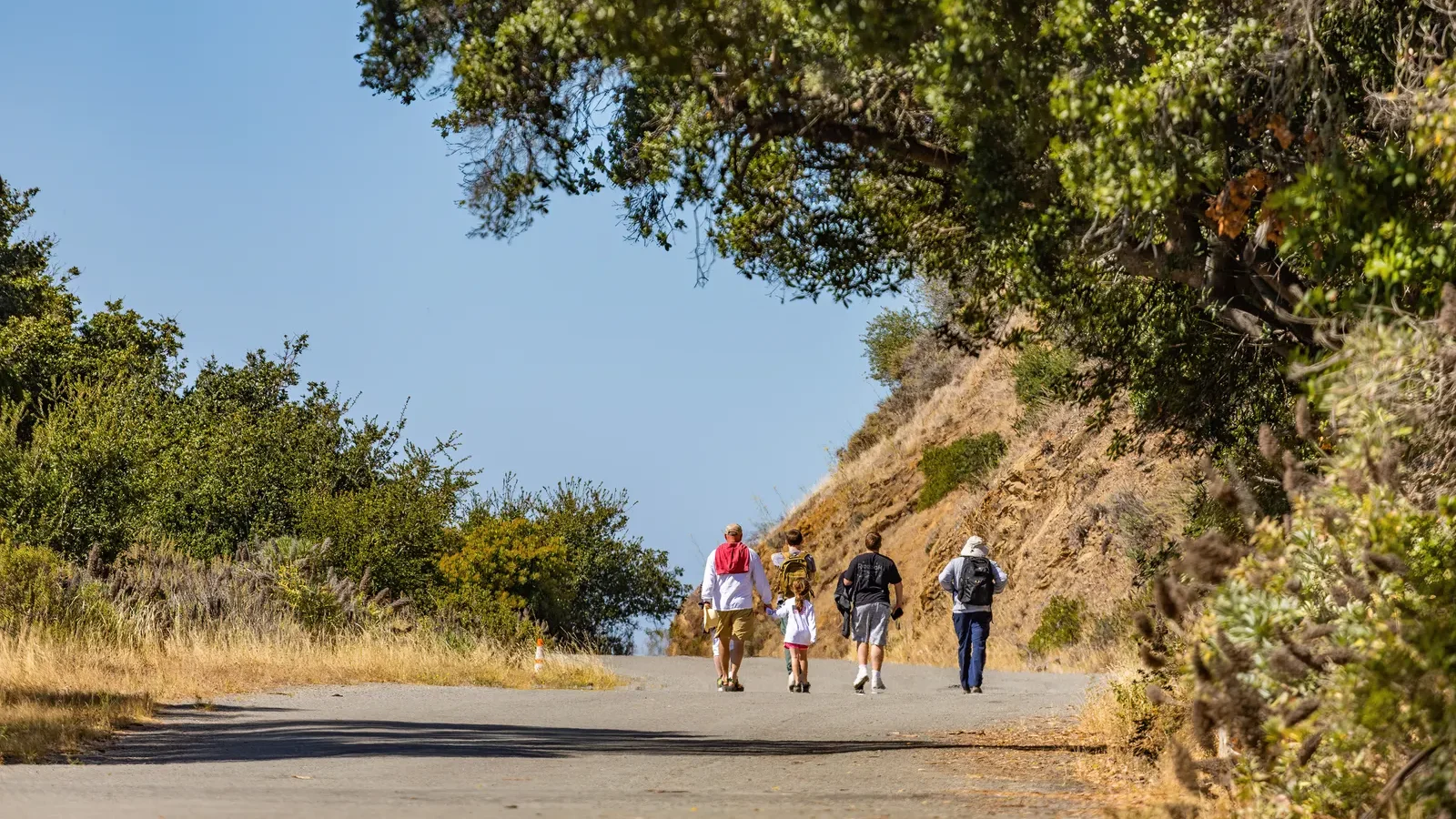
What is hiking? Hiking is walking outdoors on a trail or natural terrain, mainly for pleasure, exercise or to enjoy nature. Merriam-Webster’s dictionary defines a hike simply as a long walk, especially for pleasure or exercise, and that covers everything from a one-hour park loop to a multi-day trek.
It’s one of the simplest outdoor activities to start. There’s no test to pass, no required gear list and no minimum speed.
*Leave No Trace; CDC Physical Activity Guidelines for Americans; National Park Service.
Maybe a friend invited you on a hike this weekend, and you’re not totally sure what that means. Maybe you’ve walked trails for years but never thought about the exact definition. Either way, you’re in the right place.
Hiking sounds simple, and it is. But the word gets mixed up with walking, trekking, backpacking and even mountaineering. That mix-up can make new hikers feel like they need special training just to go for a walk in the woods. You don’t.
This guide gives you a clear, beginner-friendly definition of hiking. Then it covers the different types of hikes, the real benefits, basic trail manners and exactly how to get out on your first one.
Here’s what you’ll get from this guide:
- A simple, sourced definition of hiking
- A table comparing hiking, walking, trekking, backpacking, thru-hiking and mountaineering
- The main types of hikes, from day hikes to thru-hikes
- The health benefits, backed by research from health bodies
- Trail etiquette and the seven Leave No Trace principles
- A beginner gear list, common mistakes to avoid and your first-hike checklist
What Is Hiking? The Short Answer
Hiking is walking outdoors, on a trail or over natural ground, mainly for pleasure, exercise or to enjoy nature. Merriam-Webster’s dictionary defines a hike, as a noun, as a long walk, especially for pleasure or exercise. That’s the whole definition. There’s no minimum distance, no required gear and no rule about how fast you go.
The American Hiking Society, the national group that promotes and protects hiking trails, describes its mission as empowering people to enjoy, share and preserve the hiking experience. Notice what’s missing from that: any mention of speed, distance or fitness level. Hiking is defined by the activity itself, not by how good you are at it.
💡 You’re probably already a hiker
If you’ve ever walked a nature trail, a local park loop or a state park path for fun, you’ve hiked. You don’t need a mountain, a summit or a multi-day trip to count.
Where people get confused is the overlap with related words: walking, trekking, backpacking, thru-hiking and mountaineering. They all involve moving on foot outdoors, but they differ in distance, terrain, gear and how many days you’re out. The next section lines them up so you can see exactly where hiking fits.
Hiking isn’t a test you pass. It’s a walk you take, on ground a little wilder than a sidewalk.
Hiking vs. Walking, Trekking, Backpacking, Thru-Hiking and Mountaineering
These six words all describe moving on foot, so it’s easy to use them interchangeably. But each one points to a slightly different activity. Here’s how they compare, using definitions from dictionaries, outdoor organizations and trail authorities.
| Activity | What it means | Typical length | Overnight gear? |
|---|---|---|---|
| Walking | Moving on foot, often on pavement or flat, even ground | Minutes to a few hours | No |
| Hiking | This guide Walking outdoors on trails or natural terrain, for pleasure or exercise | An hour to a full day | Usually no |
| Trekking | A long, multi-day walking journey, often village to village; the common term in Nepal and the Himalaya | Several days to a few weeks | Yes, or supported by teahouses and lodges |
| Backpacking | Overnight or multi-day hiking while carrying your own shelter, sleep system and food | One night to a week or more | Yes, carried by you |
| Thru-hiking | Hiking an entire long trail end to end in one continuous trip, usually within about 12 months | Weeks to months | Yes |
| Mountaineering | Reaching high mountain points using a mix of hiking, rock climbing and snow or ice technique | A day to several weeks | Often yes |
These lines blur in real life. A tough local day hike can feel harder than an easy trek, and many mountaineering routes start with a long hiking approach before any climbing begins. Use the table as a general guide, not a strict rulebook.
📘 Where does “section hiking” fit?
Section hiking means completing a long trail in pieces, over separate trips, instead of one continuous journey. The Appalachian Trail Conservancy notes that section hikers can take years to finish the same trail a thru-hiker completes in one season, but both earn the same recognition once they finish every mile.
Curious where the sport-versus-hobby argument lands? We break that down separately in is hiking a sport or recreation? And if a thru-hike is on your bucket list one day, our guide to how long it takes to hike the Appalachian Trail walks through the timeline.
Types of Hikes: Day Hikes, Loops, Out-and-Backs and More
Even within “day hiking,” there are a few common trail shapes and formats worth knowing before you head out. Trail descriptions and apps use these terms constantly, so it helps to know them.
| Format | What it means | Good for a first hike? |
|---|---|---|
| Out-and-back | Walk in one direction, then retrace your steps to the start | Easiest Turn around anytime |
| Loop | A route that returns to the start without repeating the same ground | Yes, feels varied |
| Point-to-point | Start and end at different trailheads; needs a shuttle or a second car | With planning |
| Day hike | Any hike finished in one day, ending back at your car or lodging | Yes |
| Section hike | Completing one part of a longer trail in a single trip | With some research |
| Thru-hike | Completing an entire long trail in one continuous journey | Not for a first hike |
| Peak bagging | Hiking specifically to reach summits, often collecting a list of named peaks | With fitness and navigation skill |
Hikes also vary by setting: forest trails, desert paths, coastal bluffs, alpine routes above the treeline and easy rail-trails on old rail beds. Each setting changes what you should pack. A shaded forest loop needs less sun protection than an exposed desert trail, for example.
✨ Start with what fits your day
Choose a hike shape that matches how much time and support you have. An out-and-back on a local trail is the easiest format to shorten if you get tired, because turning around always leads you straight back to the trailhead.
Want a sense of how tough a specific trail’s climb will feel before you go? Our guide to what counts as a steep grade for hiking breaks down elevation gain in plain terms.
The Benefits of Hiking (Backed by Research)
Hiking is exercise, but it rarely feels like a workout. That combination is part of why health researchers keep studying it.
Physical benefits
The National Park Service says hiking gives you a whole-body workout, from head to toe. It lists building stronger muscles and bones, improving your sense of balance, improving heart health and decreasing the risk of certain respiratory problems among the physical payoffs. Harvard Health adds that uneven terrain builds endurance, strength and coordination in ways flat walking doesn’t. Climbing engages your hips and glutes, while descending works your thigh muscles as they act like a brake to keep you stable.
Mental benefits
The NPS points to a Stanford University study showing that time in nature reduces stress, calms anxiety and is linked to a lower risk of depression. Harvard Health cites research on “forest bathing,” a Japanese practice of mindful time among trees, which found it lowered levels of the stress hormone cortisol in the blood. Because scenery changes with the seasons, hiking also offers mental stimulation that a treadmill can’t match.
Social benefits and how much you need
The NPS also highlights the social side: hiking with others can strengthen the friendships and bonds you share with your companions. On the numbers, the CDC recommends adults get at least 150 minutes of moderate-intensity activity a week, and brisk walking or hiking counts toward that target. Faster or uphill hiking can count as vigorous activity, which reaches the same goal in less time.
🩺 A quick health note
This is general information, not medical advice. If you have a heart, lung or joint condition, are pregnant or haven’t exercised in a while, talk to your doctor before starting a new activity, including hiking.
How to Start Hiking: Your First Steps
You don’t need a training plan to take your first hike. You do need a little bit of planning so the day goes smoothly.
- Pick a short, well-reviewed local trail. Look for one to three miles with mostly flat or gently rolling ground. Trail apps and park websites usually list distance and elevation gain.
- Honestly assess your fitness. REI’s beginner advice is simple: be honest about your current shape so you have an enjoyable time, rather than suffering through a hike you weren’t ready for.
- Check the weather and trail conditions. Look at the forecast and any park alerts the night before and the morning of your hike.
- Wear comfortable, closed-toe shoes. Sneakers are fine for smooth, easy trails; save the boot-buying decision for after your first few hikes.
- Pack water, a snack and a charged phone. You don’t need a full gear list yet, but those three things cover most short-hike needs.
- Tell someone your plan. Share the trail name and your expected return time with someone not joining you.
- Go with a friend or a group first. It’s more fun, and it’s an easy safety net while you learn the ropes.
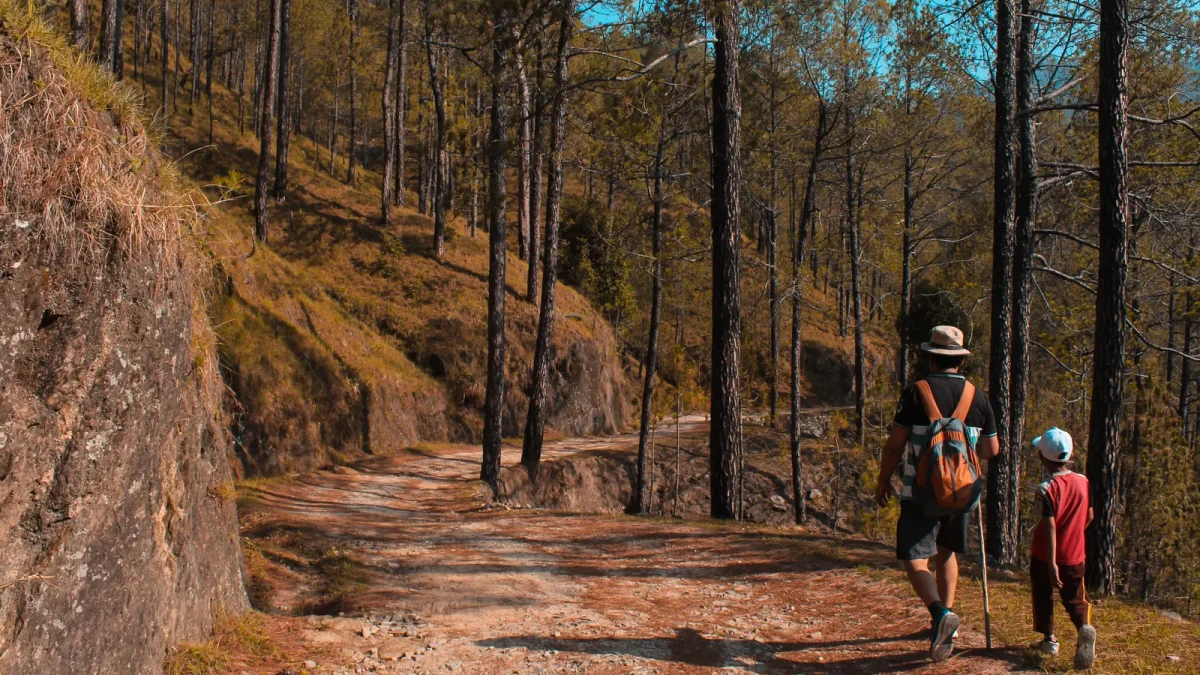
An average walking pace is about 3 miles per hour, though REI notes your hiking pace will likely be slower, depending on terrain, elevation gain and any weight on your back. Choose a short hike and stop often to look at plants, rocks and views. That’s the whole point.
⚠️ Know before you go
Check the weather and turn back if it changes for the worse. Afternoon thunderstorms, sudden heat and unexpected cold are common reasons experienced hikers cut a hike short, and there’s no shame in doing the same on your first one.
Trail Etiquette: The Unwritten Rules of the Trail
Trails don’t come with a rulebook taped to the trailhead sign, but there are some widely shared manners every hiker learns quickly. The National Park Service lays out the basics.
- Uphill hikers get the right of way. If you’re heading downhill, step aside so climbers can keep their pace and momentum. The NPS explains that uphill hikers have a narrower field of view and are working harder against gravity, so it’s courteous to let them keep going.
- Bikers yield to hikers and horses. Cyclists should slow down or stop and move aside for people on foot and pack animals.
- Step aside for horses. If you meet horses or other pack stock, move calmly to the downhill side of the trail. If you’re approaching from behind, announce yourself quietly so you don’t startle the animals.
- Say hello. A friendly greeting or a simple nod keeps trails feeling welcoming.
- Stay on the marked path. Cutting corners damages plants and widens erosion, even if it looks harmless.
- Keep noise down. Save music and calls for later; a quiet trail lets everyone, including wildlife, enjoy the outdoors.
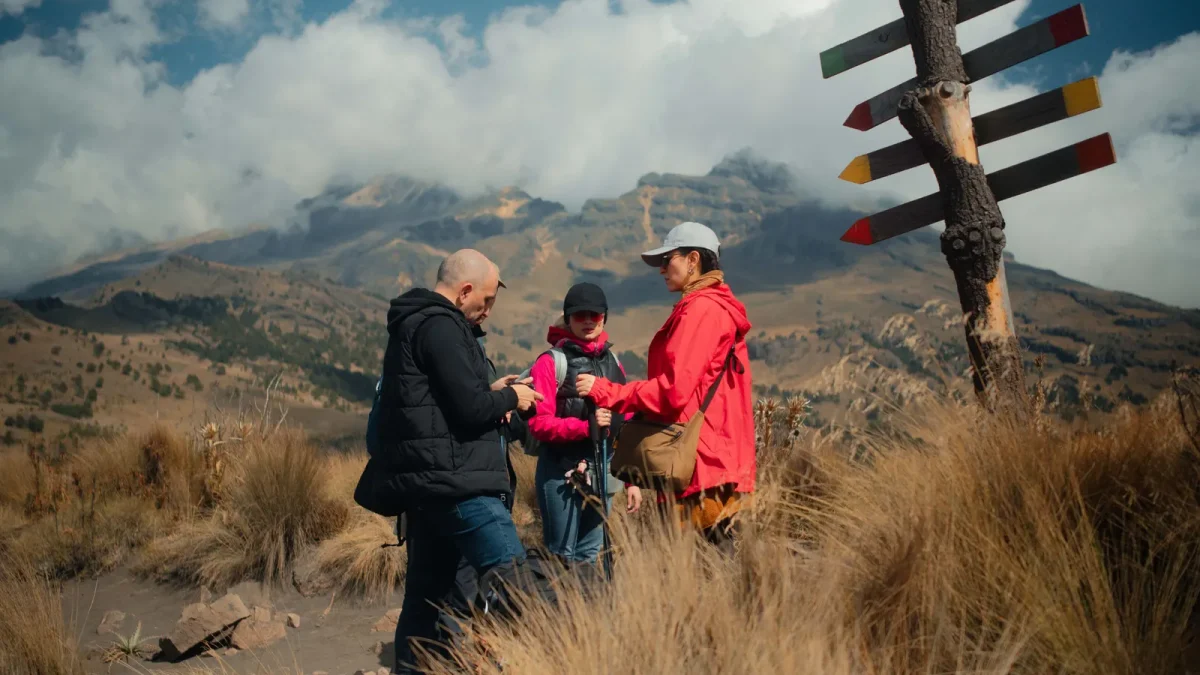
These small habits matter more as trails get busier, especially near cities on weekend mornings. Hiking in a group of two or three makes it easier to step aside for others than hiking in a large pack does, so consider splitting up on narrow paths. If you bring a dog, keep it leashed unless a sign clearly says otherwise, since not every hiker or animal you meet will be comfortable off-leash.
These habits also connect directly to a bigger set of guidelines that cover how to treat the land itself, not just other hikers.
The 7 Leave No Trace Principles
Leave No Trace is the standard outdoor ethics framework in the United States, and its seven principles apply to every hike, from a short park loop to a multi-week trek.
- Plan ahead and prepare. Research regulations, prepare for weather, and repackage food to cut down on waste.
- Travel and camp on durable surfaces. Stick to established trails and existing campsites rather than trampling new ground.
- Dispose of waste properly. Pack out all trash and food scraps, and use a bathroom before you go or follow proper waste guidance on the trail.
- Leave what you find. Photograph plants, rocks and historic items instead of taking them, and leave natural objects undisturbed.
- Minimize campfire impacts. Use a lightweight stove where you can, and keep any permitted fire small and contained.
- Respect wildlife. Watch animals from a distance, never feed them, and store food securely.
- Be considerate of other visitors. Yield to other trail users, keep noise down and let natural sounds carry.
🌲 Why these seven exist
The Leave No Trace principles exist so millions of visits a year don’t wear trails down to bare dirt or push wildlife out of their habitat. Following them costs you nothing and keeps trails open and healthy for the next hiker.
You’ll see these principles repeated across nearly every park website and trail sign in the country, and for good reason: they work.
What to Pack: The Hiking Essentials
Beginners often ask how much gear they really need. The honest answer: less than the gear shelves suggest, especially for a short first hike.
The National Park Service recommends every hiker carry a version of “The 10 Essentials,” a core set of items meant to help if a short hike turns into a longer one. That list covers navigation, sun protection, extra clothing layers, a light source, a first-aid kit, fire-starting tools, a repair kit, extra food, extra water and emergency shelter. We cover the full list, with beginner-friendly picks for each category, in the hiking safety 10 essentials guide.
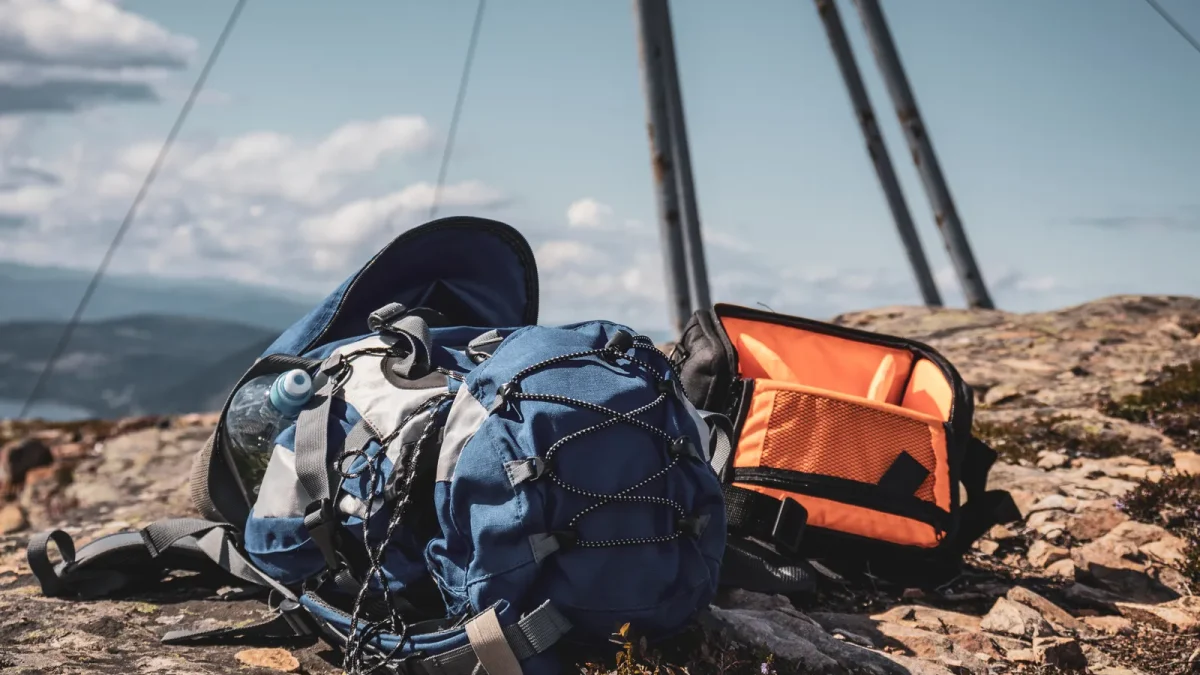
For your very first few hikes on short, well-traveled trails, you can start smaller: comfortable shoes, water, a snack, a phone and a layer in case the weather turns. Build toward the full list as your hikes get longer and more remote. Our beginner hiking setup guide walks through exactly what to buy first and what can wait. And if you’re brand new to the site itself, start here for an overview of where to begin.
Water deserves special mention: even short hikes in heat can dehydrate you faster than you’d expect. Our guide on how much water to bring hiking gives simple rules of thumb by distance and temperature.
Beginner Gear That Helps
You don’t need to buy much to start hiking, but a few reliable basics make your first outings more comfortable. We chose these three based on published specs, manufacturer information and how well they fit a true beginner’s needs. Nobody paid for a spot on this list.
👟 A dependable first hiking shoe
Merrell
Merrell Men’s Moab 3 Hiking Shoe
A low-cut trail shoe with a cushioned midsole and Vibram traction, easy to break in.
The Moab 3 is a low-top hiking shoe, so it’s lighter and quicker to break in than a boot. Merrell builds it with a Super Rebound Compound midsole for cushioning and a Vibram TC5+ rubber outsole for grip on dirt, roots and rock. It also comes in women’s, wide-width and waterproof versions.
- Vibram TC5+ rubber outsole for multi-surface traction
- Super Rebound Compound midsole cushions each step
- Breathable mesh and textile upper
- Available in wide widths and waterproof versions
| Weight | About 1 lb (460 g) per shoe, men’s standard |
|---|---|
| Drop | 11.5 mm |
| Lug depth | 5 mm |
| Outsole | Vibram TC5+ rubber |
| Upper | Mesh and textile, partly recycled |
Best for: new hikers who want one shoe for local trails, parks and light day hikes. It’s not a waterproof boot by default, so check the waterproof or mid-height version if you expect wet or rocky terrain.
🛒 Buy from Amazon Check your size and today’s price on Amazon.
🎒 A simple, do-everything daypack
Osprey
Osprey Daylite Daypack
A 13-liter daypack with a padded back panel, sized for water, snacks and a rain layer.
The Daylite is Osprey’s entry-level daypack, small enough for a quick loop but sturdy enough for a full day out. It has a mesh-covered foam back panel, a side pocket sized for a water bottle and a front organizer pocket. It can also clip onto larger Osprey packs as a summit pod, so many hikers keep using it even after they buy backpacking gear.
- 13-liter main compartment plus an organizer pocket
- Mesh-covered, die-cut foam back panel for airflow
- Side pocket sized for a water bottle
- Adjustable sternum strap with a safety whistle
| Capacity | 13 L |
|---|---|
| Weight | 1 lb 1.4 oz |
| Dimensions | 16.93 x 10.24 x 7.87 in |
| Back panel | Mesh-covered die-cut foam |
Best for: short day hikes, park walks and as a lightweight backup pack. It’s too small for winter layers or overnight gear, so plan on a bigger pack once you start backpacking.
🛒 Buy from Amazon Check today’s price and colors on Amazon.
💧 A hiking classic that just works
Nalgene
Nalgene Wide Mouth Water Bottle, 32 oz
A tough, BPA-free bottle with a wide mouth for easy filling, filtering and ice.
You don’t need fancy hydration gear to start hiking. Nalgene’s wide mouth bottle is BPA-free, holds 32 ounces and is built to survive drops on the trail. The wide opening makes it easy to fill from a tap or a filter, and just as easy to clean afterward.
- BPA-free material, dishwasher safe
- Wide mouth fits ice cubes and most water filters
- Rated for temperatures from -40°F to 212°F
- Made in the USA
| Capacity | 32 oz (about 1 L) |
|---|---|
| Weight | 6.25 oz |
| Material | BPA-free plastic |
| Temperature range | -40°F to 212°F |
Best for: beginners who want one reliable bottle before investing in a hydration reservoir or filter system. It doesn’t filter water on its own, so pair it with a filter or treat water drawn from natural sources.
🛒 Buy from Amazon Check today’s price on Amazon.
Prices and stock change often, so check each listing before you buy. As an Amazon Associate, HikingCare earns from qualifying purchases, at no extra cost to you.
Want the fuller picture on footwear first? Compare options in our best hiking boots guide.
Common Beginner Mistakes (and How to Fix Them)
Almost every experienced hiker made these same mistakes early on. Here’s how to skip straight past them.
1. Choosing a trail that’s too long or too steep
❌ The mistake: picking an ambitious summit hike for a first outing because the photos looked amazing.
✅ The fix: start with one to three miles on gentle ground, then build up distance and elevation gain over several hikes.
2. Wearing the wrong shoes
❌ The mistake: heading out in flip-flops, brand-new stiff boots or worn-out sneakers with no grip.
✅ The fix: wear closed-toe shoes with decent tread that you’ve already worn comfortably before.
3. Not bringing enough water
❌ The mistake: assuming a “short” hike doesn’t need much water, especially in heat.
✅ The fix: bring more water than feels necessary, and check our guide on how much water to bring hiking before you go.
4. Not telling anyone your plan
❌ The mistake: heading out solo without sharing where you’re going or when you’ll be back.
✅ The fix: text a friend the trail name and your expected return time before you start.
5. Ignoring the weather forecast
❌ The mistake: heading out without checking for storms, heat warnings or sudden cold.
✅ The fix: check the forecast the morning of your hike, and be willing to reschedule or turn back.
6. Skipping trail etiquette
❌ The mistake: playing music out loud, cutting switchbacks or crowding other hikers on a narrow path.
✅ The fix: keep noise down, stay on the marked trail and yield to uphill hikers.
Pro Tips for New Hikers
These small habits come up again and again in advice from parks, guides and experienced hikers.
- Break in new shoes before a long hike. Wear them on short walks first so you learn how they fit.
- Start early in the day. You’ll get cooler temperatures, better parking and more daylight to work with.
- Layer your clothing. A moisture-wicking base layer beats cotton, which stays wet and cold once you sweat.
- Download an offline map. Cell service disappears on many trails, even close to cities.
- Pace yourself on climbs. A slower, steady pace usually beats stopping every few minutes to catch your breath.
- Keep a small trash bag. It makes packing out your own waste, and any litter you find, effortless.
- Protect your feet early. Trim your toenails before a hike and address hot spots with tape or a bandage the moment you feel one, before it becomes a blister.
- Snack before you feel hungry. Small, steady bites of food keep your energy more even than one big meal at the halfway point.
- Log your hikes. Jotting down the trail, distance and how you felt helps you notice progress and plan your next outing.
None of these tips require new gear or a training plan. They’re habits you can start using on your very next hike, and they matter more as your trips get longer.
The best gear for your first hike is whatever gets you out the door. You can upgrade later.
Real-World Examples: Three New Hikers
These are composite examples built from patterns hikers commonly share in trip reports, forums and online communities. They’re not individual testimonials, but they show how a first hike usually goes.
What these hikers have in common: each one started small, planned a little ahead and picked a trail that matched their day. None of them needed special training first.
Frequently Asked Questions
Is hiking the same as walking?
They’re closely related. Walking usually means moving on foot on pavement or flat ground, while hiking specifically means walking outdoors on trails or natural terrain, mainly for pleasure, exercise or to enjoy nature.
What’s the difference between hiking and trekking?
Hiking usually means an outing of an hour to a full day. Trekking describes a longer, multi-day walking journey, often between villages, and is the term most commonly used in regions like Nepal and the Himalaya.
Do I need special shoes to start hiking?
Not for a short, easy trail. Comfortable closed-toe shoes with decent tread are enough to start. Dedicated hiking shoes or boots help once your hikes get longer, steeper or wetter.
How long should my first hike be?
REI’s beginner advice suggests choosing a short hike and stopping often, rather than pushing for distance. One to three miles on mostly flat ground is a common, comfortable starting point.
What are the Leave No Trace principles?
They’re seven widely followed outdoor ethics guidelines: plan ahead and prepare, travel and camp on durable surfaces, dispose of waste properly, leave what you find, minimize campfire impacts, respect wildlife and be considerate of other visitors.
Is hiking good exercise?
Yes. The National Park Service and Harvard Health both point to whole-body benefits: stronger muscles and bones, better balance and heart health, plus mental health benefits linked to time spent in nature.
Your First-Hike Checklist
Use this checklist to get ready for your first hike, or your first hike in a while. Most items take just a minute to sort out.
Tap each item as you complete it. Your progress is saved in this browser.
- Pick a short, well-reviewed local trail (1-3 miles to start)
- Check the weather forecast and any park alerts
- Wear comfortable, closed-toe shoes you’ve worn before
- Pack water, a snack and a charged phone
- Tell someone your trail name and expected return time
- Review the Leave No Trace principles
- Download an offline map in case of no signal
- Go with a friend or group for your first outing
The Bottom Line
So, what is hiking? It’s walking outdoors on a trail or natural terrain, mainly for pleasure, exercise or to enjoy nature, with no minimum distance and no gear requirement to get started. Trekking, backpacking, thru-hiking and mountaineering are all bigger commitments built on that same simple base.
Start small, follow basic trail etiquette and the Leave No Trace principles, and build up from there. The trail will still be there once you’re ready for something longer.
🥾 Ready for your first hike?
Use our free tools to find a trail that matches your fitness level and plan exactly what to pack.
Keep reading: our beginner hiking setup guide, hiking with kids and what counts as a steep grade for hiking.
Sources
- Merriam-Webster: hike (definition)
- American Hiking Society: About Us (mission)
- Appalachian Trail Conservancy: Thru-Hiking
- Britannica: Mountaineering
- National Park Service: Benefits of Hiking
- Harvard Health: Hike Your Way to Better Health
- CDC: Adult Activity, An Overview
- National Park Service: Hiking Etiquette
- National Park Service: Hike Smart
- Leave No Trace: The 7 Principles
- National Park Service: Leave No Trace Seven Principles
- REI Expert Advice: Hiking for Beginners
- Merrell: Men’s Moab 3 Hiking Shoes
- Osprey: Daylite Daypack
Facts checked in September 2026. Trail conditions and product details change, so confirm them before you go or buy.
You may also like

Hiking With Kids: Family-Friendly Trail Setup
A practical guide to hiking with kids — trail selection, what to pack, snack strategy, and how to keep small hikers engaged…

Hiking Food: What to Pack for Day, Overnight & Multi-Day Trips
Hiking food guide — calorie targets, real packing examples, snacks, meals, weight-to-calorie ratios for day hikes through multi-day trips.

How to Train for a Mountain Hike
A practical 8-week mountain hiking training plan — cardio, elevation training, strength and recovery. Built around real schedules.

Get better at hiking.
Practical hiking tips, gear guides, trail advice and outdoor stories, delivered occasionally. No spam, unsubscribe any time.