Winter Hiking Gear Guide: Sub-Freezing Trail Setup
The complete winter hiking gear guide — boots, traction, layering, insulation and emergency essentials for sub-freezing trails.
HikingCare is reader-supported. When you buy through links on our site we may earn a commission at no extra cost to you. How we choose what to recommend.
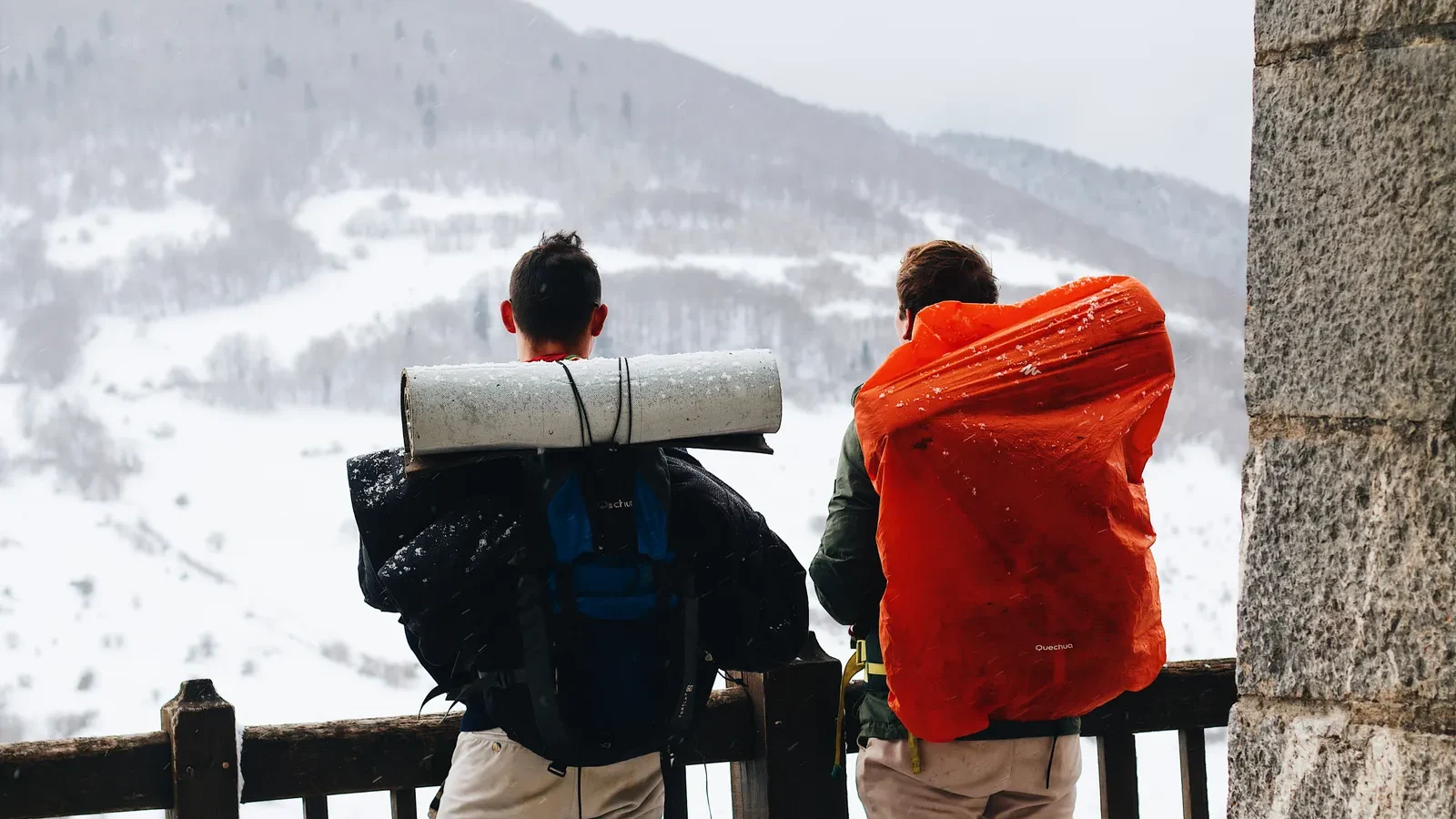
Winter hiking gear is about three things that don’t matter as much in summer: keeping your core warm at rest, keeping moisture moving away from your skin, and not slipping on packed snow or ice. Get those three right and winter trails become some of the most beautiful and least crowded hiking of the year.
Footwear and traction
Three options depending on conditions:
- Insulated waterproof boots — 200g insulation handles ~ -20 °F at hiking effort. Insulated winter hiking boots on Amazon
- Microspikes — for packed snow and moderate ice. The single highest-value winter purchase. Microspikes on Amazon
- Snowshoes — only for unbroken powder over 6 inches deep.
Winter layering
- Base layer: heavyweight merino top + bottom.
- Midlayer: fleece or light puffy.
- Insulation in pack: heavier puffy for stops/summit.
- Shell: hardshell jacket + hardshell pants.
Use our Layering System Generator to tune the system to your specific forecast.
Extremities — where winter hikes go wrong
- Hands: a glove + mitten system. Gloves for movement, mittens for stops.
- Head: warm beanie + buff (covers neck and face when wind picks up).
- Feet: heavyweight merino socks. Sock liners help with sweat.
Hydration in winter
Bladders freeze. Carry insulated water bottles instead, and pack them upside down — water freezes top-down, so the drinking surface stays liquid longer. Hot liquid in a thermos is a winter luxury that pays for itself.
Daylight is your hardest constraint
Winter hikes often start in single-digit hours of daylight. Build a turn-around time and stick to it. A headlamp is non-negotiable — even short trails can leave you finishing in the dark.
Emergency essentials (winter-specific)
- Emergency bivy or space blanket.
- Fire starter that works wet/cold.
- Hot drink in a thermos.
- Spare warm layer (separate from the one you’re wearing).
Run your trail through the Hiking Safety Prioritizer and check “winter / cold” — the recommended kit calibrates accordingly.
Conditions to avoid
- Avalanche-prone slopes without training.
- Sustained wind chills below -20 °F without expedition-grade insulation.
- Trails you don’t know in heavy snow — trail markers get buried.
Frequently asked questions
Microspikes or snowshoes?
Microspikes bite into ice and packed snow and are what most winter day hikers need. Snowshoes float on deep, unconsolidated snow. On many trails you will carry one and wear the other, so check recent trail reports before you decide.
How do I keep my water from freezing?
Use insulated bottles or sleeves, store bottles upside down so the ice forms at the bottom, start with warm water and keep a small bottle inside your jacket. Hydration hoses freeze quickly unless insulated and blown clear after each sip.
Are hand and toe warmers worth carrying?
Yes, as backups rather than as your main warmth. They weigh little and can rescue cold fingers when you need to work with gloves off. Good gloves, mittens and dry socks are still the priority.
Read next
 Read nextHiking Layering System: A 3-Layer Cold-Weather Guide
 Read nextDown vs Synthetic Insulation: Which is Better for Hiking?
Plan it with our free tools: Layering System Generator · Trail Weather Planner
You may also like

How to Train for a Mountain Hike
A practical 8-week mountain hiking training plan — cardio, elevation training, strength and recovery. Built around real schedules.

Best Hiking Headlamps for Trail Safety
How to choose a hiking headlamp — lumens, battery life, beam patterns, weight and price, with picks by use case.

Hiking Food: What to Pack for Day, Overnight & Multi-Day Trips
Hiking food guide — calorie targets, real packing examples, snacks, meals, weight-to-calorie ratios for day hikes through multi-day trips.

Get better at hiking.
Practical hiking tips, gear guides, trail advice and outdoor stories, delivered occasionally. No spam, unsubscribe any time.